 EN
EN

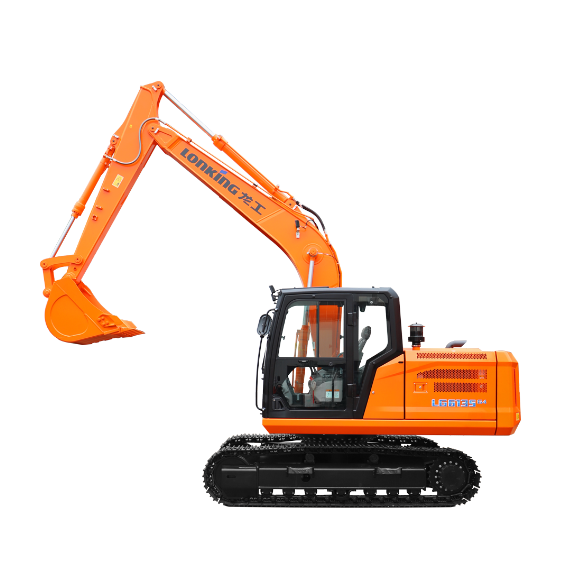
Wheeled excavators represent a significant investment for construction companies and contractors seeking versatile earthmoving equipment. Unlike their tracked counterparts, wheeled excavators offer enhanced mobility and reduced ground pressure, making them ideal for urban construction projects and road maintenance applications. Understanding proper maintenance protocols is essential for maximizing equipment lifespan, reducing operational costs, and maintaining peak performance throughout the machine's service life. Effective maintenance strategies encompass everything from daily inspections to comprehensive preventive maintenance schedules that address hydraulic systems, engine components, and mobility mechanisms specific to wheeled excavators.
Essential Daily Inspection Procedures
Visual Assessment and Walk-Around Checks
Daily visual inspections form the foundation of effective wheeled excavators maintenance programs. Operators should conduct thorough walk-around inspections before starting operations, examining the undercarriage, boom, arm, and bucket for signs of wear, damage, or fluid leaks. Pay particular attention to hydraulic cylinder seals, as early detection of seal deterioration prevents costly hydraulic system failures. Check tire condition and inflation pressure, as proper tire maintenance directly impacts stability and fuel efficiency in wheeled excavators.
Document any irregularities discovered during inspections using standardized checklists or digital maintenance tracking systems. This documentation creates valuable historical records that help identify recurring issues and establish patterns that inform long-term maintenance strategies. Consistent documentation also supports warranty claims and demonstrates compliance with manufacturer maintenance requirements for wheeled excavators.
Fluid Level Monitoring and Analysis
Regular monitoring of engine oil, hydraulic fluid, coolant, and fuel levels ensures optimal performance and prevents catastrophic failures in wheeled excavators. Check fluid levels when machines are parked on level ground with engines cool, allowing accurate readings. Hydraulic fluid condition provides critical insights into system health, with color changes or contamination indicating potential internal wear or contamination issues requiring immediate attention.
Implement fluid sampling protocols for periodic laboratory analysis, particularly for hydraulic systems and engine oil. Laboratory analysis identifies microscopic contaminants, wear particles, and chemical breakdown products that visual inspection cannot detect. This proactive approach enables predictive maintenance strategies that prevent major component failures and extend service intervals for wheeled excavators.
Hydraulic System Maintenance Excellence
Filter Replacement and Contamination Control
Hydraulic system integrity directly impacts the operational capabilities and longevity of wheeled excavators. Establish rigid filter replacement schedules based on operating hours rather than calendar time, as contaminated filters compromise system efficiency and accelerate component wear. Replace hydraulic return filters, suction strainers, and breather caps according to manufacturer specifications, using only genuine or approved equivalent filters.
Maintain cleanliness protocols during filter changes to prevent introducing contaminants into hydraulic systems. Use clean work areas, proper tools, and sealed storage containers for new filters and fluids. Contamination control extends beyond filter replacement to include proper hydraulic fluid handling, storage, and dispensing procedures that maintain system cleanliness in wheeled excavators.
Pressure Testing and System Diagnostics
Regular hydraulic pressure testing identifies performance degradation before complete system failures occur in wheeled excavators. Utilize calibrated pressure gauges and diagnostic equipment to measure system pressures at various operating points, comparing results against manufacturer specifications. Declining pressure readings indicate internal leakage, worn pumps, or relief valve problems requiring immediate attention.
Modern wheeled excavators incorporate sophisticated diagnostic systems that provide real-time performance data and fault codes. Familiarize maintenance personnel with diagnostic procedures and interpretation methods to leverage these systems effectively. Regular diagnostic downloads and analysis help identify emerging issues and optimize maintenance timing for maximum equipment availability.
Engine and Powertrain Optimization
Combustion System Care and Fuel Quality Management
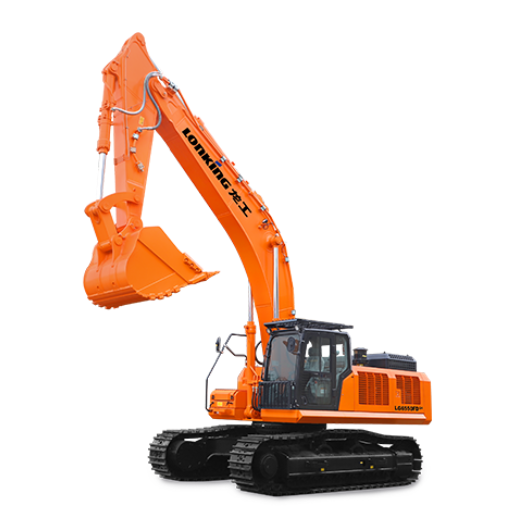
Engine longevity in wheeled excavators depends heavily on maintaining clean combustion systems and using high-quality fuel. Implement rigorous fuel filtration protocols, including water separation and contamination removal before fuel enters engine systems. Poor fuel quality causes injector fouling, combustion chamber deposits, and premature engine wear that significantly reduces service life.
Replace air filters regularly and maintain proper intake system sealing to prevent dust and debris contamination in wheeled excavators operating in challenging environments. Clean air intake systems ensure optimal fuel-air mixtures and prevent abrasive particles from entering combustion chambers. Consider upgrading to high-efficiency air filtration systems for operations in particularly dusty conditions.
Cooling System Maintenance and Thermal Management
Effective thermal management prevents overheating and extends component life in wheeled excavators operating under demanding conditions. Maintain proper coolant concentration using manufacturer-approved antifreeze formulations that provide adequate freeze protection and corrosion inhibition. Regular coolant analysis identifies contamination, pH imbalances, and additive depletion requiring system flushing and refilling.
Clean radiators, oil coolers, and intercoolers regularly to maintain optimal heat transfer efficiency in wheeled excavators. Use compressed air or pressure washing to remove accumulated debris from cooling system components, working from clean side toward contaminated side to avoid driving debris deeper into fin spaces. Blocked cooling systems cause overheating and accelerated component wear.
Mobility System Preservation
Tire Management and Replacement Strategies
Proper tire management significantly impacts operational costs and safety in wheeled excavators. Maintain correct inflation pressures according to load conditions and operating surfaces, as underinflated tires cause excessive sidewall flexing and heat generation leading to premature failure. Overinflation reduces contact patch area and compromises traction while increasing susceptibility to impact damage.
Implement tire rotation schedules to equalize wear patterns across all positions in wheeled excavators. Document tire performance data including tread depth measurements, inflation pressure records, and replacement intervals to optimize tire selection and maintenance procedures. Consider upgrading to premium tire compounds for applications involving aggressive surfaces or extended service intervals.
Axle and Differential Maintenance
Regular axle and differential service ensures reliable power transmission and steering response in wheeled excavators. Change gear oils according to manufacturer intervals using specified viscosity grades and additive packages. Heavy-duty applications may require more frequent service intervals, particularly in contaminated environments where seals allow debris entry into axle housings.
Inspect axle seals, boots, and joints during routine maintenance to identify early signs of wear or damage in wheeled excavators. Replace worn components before failures occur to prevent costly internal damage and unexpected downtime. Proper lubrication of steering components and suspension bushings maintains precise control and reduces operator fatigue during extended operating periods.
Preventive Maintenance Scheduling
Hour-Based Service Intervals
Establish comprehensive maintenance schedules based on operating hours rather than calendar time for optimal wheeled excavators longevity. Different components require service at varying intervals, from daily checks to major overhauls at several thousand hour intervals. Create detailed maintenance matrices that specify required actions, replacement parts, and service procedures for each interval.
Utilize maintenance management software to track service requirements and schedule upcoming maintenance activities for wheeled excavators fleets. Automated scheduling systems prevent missed services and optimize maintenance resource allocation while maintaining detailed historical records for each machine. Digital maintenance records support resale values and warranty compliance.
Seasonal Preparation and Storage Procedures
Seasonal maintenance preparations address environmental challenges specific to wheeled excavators operating in varying climate conditions. Cold weather preparations include coolant system checks, battery maintenance, and fuel system winterization to prevent operational difficulties during low temperatures. Summer preparations focus on cooling system optimization and hydraulic fluid viscosity considerations for high-temperature operations.
Proper storage procedures protect wheeled excavators during extended non-use periods. Implement fuel stabilization protocols, battery maintenance programs, and corrosion prevention measures including protective coatings for exposed metal surfaces. Regular exercise of stored machines prevents seal deterioration and maintains system functionality during storage periods.
FAQ
How often should hydraulic fluid be changed in wheeled excavators
Hydraulic fluid change intervals for wheeled excavators typically range from 2000 to 4000 operating hours, depending on operating conditions and fluid quality. Severe applications involving high temperatures, contaminated environments, or continuous operation may require more frequent changes at 1500-2000 hour intervals. Regular fluid analysis helps optimize change intervals based on actual fluid condition rather than arbitrary schedules.
What are the most common maintenance mistakes that reduce wheeled excavator lifespan
The most frequent maintenance errors include neglecting daily inspections, using incorrect fluid specifications, ignoring minor leaks until they become major problems, and extending service intervals beyond manufacturer recommendations. Operating wheeled excavators with contaminated hydraulic systems, worn tires, or overheating engines significantly accelerates component wear and reduces overall equipment longevity.
How can operators identify early warning signs of major component failure
Early warning signs include unusual noises from hydraulic pumps or engines, changes in operating response or performance, fluid leaks or contamination, excessive vibration, and abnormal temperature readings. Modern wheeled excavators equipped with diagnostic systems provide fault codes and performance data that help identify developing problems before catastrophic failures occur.
What maintenance records should be kept for wheeled excavators
Comprehensive maintenance documentation should include daily inspection checklists, service interval records, fluid analysis reports, parts replacement histories, repair records, and operator observations. Digital maintenance management systems facilitate record keeping and provide valuable data for optimizing maintenance schedules, supporting warranty claims, and maintaining equipment resale values for wheeled excavators fleets.