 EN
EN

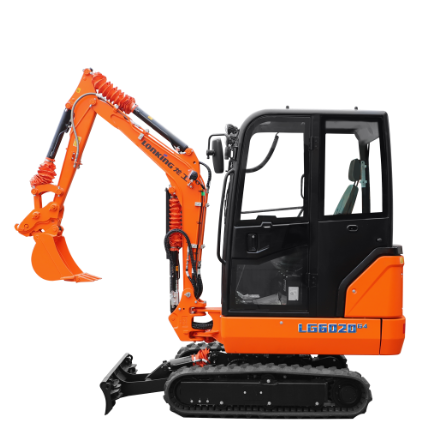
Wheeled excavators have revolutionized construction and industrial operations by offering superior mobility and versatility compared to their tracked counterparts. These powerful machines combine the digging capabilities of traditional excavators with the speed and maneuverability of wheeled vehicles, making them indispensable for various applications across multiple industries. Understanding where wheeled excavators excel can help construction professionals, contractors, and equipment managers make informed decisions about their fleet requirements and project planning strategies.
The growing demand for efficient earthmoving equipment has positioned wheeled excavators as essential tools for modern construction projects. Their ability to travel at highway speeds between job sites while maintaining excellent digging performance makes them particularly valuable for contractors managing multiple locations. These versatile machines offer reduced ground pressure compared to traditional heavy equipment, allowing operators to work on sensitive surfaces without causing significant damage to existing infrastructure.
Urban Construction and Infrastructure Development
Municipal Road Projects and Street Maintenance
Urban environments present unique challenges that make wheeled excavators particularly well-suited for municipal road projects and street maintenance operations. These machines can quickly navigate city streets, moving efficiently from one work zone to another without requiring specialized transport trailers. Municipal crews rely on wheeled excavators for pothole repairs, sidewalk installation, and utility line excavation in densely populated areas where mobility restrictions often limit the use of larger tracked equipment.
The compact design and excellent maneuverability of wheeled excavators enable operators to work effectively in narrow spaces between buildings and around parked vehicles. Road maintenance departments frequently deploy these machines for emergency repairs, as their quick response capability helps minimize traffic disruptions during critical infrastructure repairs. The reduced noise levels compared to tracked alternatives also make wheeled excavators more acceptable for work in residential neighborhoods during extended operating hours.
Utility Installation and Underground Services
Underground utility installation represents another prime application where wheeled excavators demonstrate exceptional value. Telecommunications companies, gas utilities, and water departments utilize these machines for trenching operations along existing roadways and through established neighborhoods. The precision control offered by modern wheeled excavators allows operators to excavate narrow trenches for fiber optic cables, gas lines, and water mains while minimizing disruption to surrounding infrastructure.
Emergency utility repairs benefit significantly from the rapid deployment capabilities of wheeled excavators. When water main breaks or gas leaks occur, utility crews can quickly mobilize wheeled excavators to the incident location without waiting for transport equipment or dealing with the logistics of moving tracked machinery through urban traffic. The stabilizer legs on most wheeled excavator models provide excellent stability during precise excavation work around sensitive underground infrastructure.
Agricultural and Rural Applications
Farm Drainage and Land Improvement
Agricultural operations have increasingly adopted wheeled excavators for drainage projects and land improvement activities. These machines excel at creating drainage ditches, clearing irrigation channels, and maintaining existing water management systems across large farming operations. The ability to travel quickly between distant field locations makes wheeled excavators particularly valuable for agricultural contractors serving multiple farm properties within a geographic region.
Soil conservation projects often require the precise excavation capabilities that wheeled excavators provide. Farmers use these machines to construct terraces, install erosion control structures, and create retention ponds that help manage surface water runoff. The reduced ground pressure of wheeled excavators compared to traditional tracked machines helps preserve soil structure in sensitive agricultural areas, particularly during wet conditions when soil compaction becomes a significant concern.
Livestock Facility Construction and Maintenance
Modern livestock operations rely heavily on wheeled excavators for facility construction and ongoing maintenance requirements. These machines are ideal for excavating foundations for new barns, constructing manure storage facilities, and maintaining existing livestock infrastructure. The versatility of wheeled excavators allows operators to switch between digging, lifting, and loading operations using various attachments designed specifically for agricultural applications.
Dairy farms and large-scale poultry operations particularly benefit from the mobility advantages of wheeled excavators when conducting routine maintenance tasks. These machines can quickly move between buildings to clean settling ponds, maintain access roads, and perform seasonal facility improvements. The enclosed cab design protects operators from dust and biological contaminants commonly present in agricultural environments while maintaining excellent visibility for precise operation around valuable livestock facilities.
Commercial and Industrial Site Development
Warehouse and Distribution Center Construction
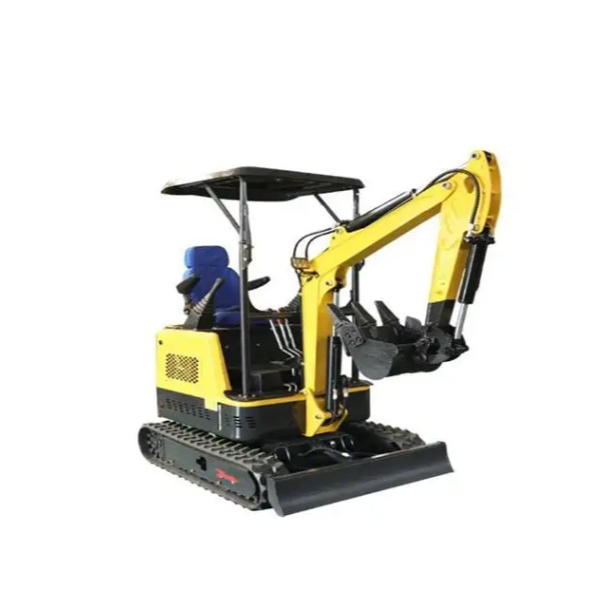
The rapid growth of e-commerce has increased demand for warehouse and distribution center construction, creating significant opportunities for wheeled excavator applications. These projects typically involve large, relatively flat sites where the mobility advantages of wheeled excavators become particularly apparent. Contractors can efficiently move equipment between different phases of construction without the time delays and transportation costs associated with tracked machinery.
Site preparation for commercial developments often requires wheeled excavators to perform multiple functions throughout the construction process. Initial excavation for building foundations, utility installation, parking lot construction, and landscaping operations can all be accomplished using the same machine with appropriate attachment changes. The extended reach capabilities of modern wheeled excavators enable efficient loading of materials and debris into trucks positioned at safe distances from active excavation areas.
Parking Lot Construction and Maintenance
Parking lot construction and maintenance represent ideal applications for wheeled excavators due to the combination of precision requirements and mobility needs inherent in these projects. Shopping centers, office complexes, and industrial facilities regularly require parking lot improvements that benefit from the quick setup and breakdown capabilities of wheeled equipment. These machines can efficiently excavate for new drainage systems, remove deteriorated pavement sections, and prepare subgrade materials for new construction.
Seasonal maintenance operations in northern climates frequently utilize wheeled excavators for snow removal and winter damage repair. The heated cabs and all-weather capabilities of modern wheeled excavators enable year-round operation in challenging conditions. Parking lot maintenance contractors appreciate the ability to transport their equipment quickly between multiple customer locations during busy seasonal periods without requiring additional transportation resources.
Landscaping and Environmental Applications
Large Scale Landscaping Projects
Professional landscaping contractors have discovered that wheeled excavators provide exceptional versatility for large-scale commercial and residential landscaping projects. These machines excel at tasks ranging from pond excavation and stream restoration to complex grading operations for golf course construction. The precise control afforded by modern hydraulic systems allows operators to achieve the detailed finishing work required for high-end landscaping installations.
Residential subdivision development particularly benefits from wheeled excavator capabilities during the landscaping phase of construction. These machines can efficiently navigate partially completed neighborhoods to install retention ponds, create recreational areas, and establish green spaces required by modern development codes. The reduced impact on finished surfaces compared to tracked alternatives helps preserve completed infrastructure while allowing contractors to complete final site improvements efficiently.
Environmental Remediation and Restoration
Environmental cleanup projects and habitat restoration efforts increasingly rely on wheeled excavators for their combination of mobility and precision capabilities. These machines prove invaluable for brownfield remediation projects where contaminated soil must be carefully excavated and removed while minimizing disturbance to surrounding areas. The enclosed cab design helps protect operators from exposure to hazardous materials during environmental cleanup operations.
Wetland restoration projects benefit significantly from the reduced ground pressure and precise control offered by wheeled excavators. Environmental contractors use these machines to recreate natural water flow patterns, remove invasive vegetation, and establish proper grades for native plant restoration. The ability to work in sensitive environmental areas without causing excessive ground disturbance makes wheeled excavators preferred equipment for many ecological restoration projects funded by government agencies and environmental organizations.
Specialized Industrial Applications
Material Handling and Warehouse Operations
Industrial facilities have found innovative uses for wheeled excavators in material handling applications that take advantage of their mobility and lifting capabilities. These machines excel at loading and unloading bulk materials from trucks and railcars, particularly in outdoor storage areas where traditional forklifts may struggle with uneven surfaces or adverse weather conditions. The extended reach of wheeled excavators enables efficient material placement in high-stacked storage configurations.
Scrapyard operations particularly benefit from wheeled excavator capabilities when handling heavy metal components and automotive parts. These machines can quickly sort materials, load transport vehicles, and maintain organized storage areas while providing operators with excellent visibility and safety protection. The robust construction of wheeled excavators enables them to handle the demanding conditions typical of recycling and waste management operations.
Port and Marine Terminal Operations
Marine terminals and port facilities utilize wheeled excavators for various cargo handling and maintenance operations that require both mobility and precision. These machines are particularly valuable for handling bulk commodities like grain, coal, and construction aggregates in areas where larger port equipment cannot efficiently operate. The corrosion-resistant options available on many wheeled excavator models help extend equipment life in harsh marine environments.
Dock maintenance and marine construction projects benefit from the versatility of wheeled excavators when working along waterfront areas. These machines can efficiently move between different pier locations to perform maintenance tasks, install marine structures, and handle materials delivered by barge or ship. The stability provided by outrigger systems enables safe operation near water while maintaining the precision required for marine construction applications.
Emergency Response and Disaster Recovery
Natural Disaster Cleanup Operations
Emergency response operations following natural disasters have increasingly relied on wheeled excavators for their rapid deployment capabilities and operational versatility. These machines can quickly reach disaster areas without requiring specialized transport equipment, enabling faster response times during critical cleanup operations. Hurricane cleanup, tornado damage removal, and flood recovery efforts all benefit from the mobility advantages that wheeled excavators provide over traditional tracked equipment.
Debris removal operations following major storms require equipment that can efficiently navigate damaged roadways and work around utility crews performing emergency repairs. Wheeled excavators excel in these challenging conditions due to their ability to travel independently between work sites and their capacity to handle various types of storm debris using different attachment configurations. The enclosed cab design protects operators from hazardous materials and adverse weather conditions commonly encountered during disaster recovery operations.
Search and Rescue Support Operations
Search and rescue operations benefit from wheeled excavator capabilities when clearing access routes and removing debris that may be trapping victims following building collapses or natural disasters. The precision control offered by modern hydraulic systems enables careful debris removal without compromising the safety of potential survivors. Emergency responders appreciate the quick setup capabilities that allow wheeled excavators to begin operations immediately upon arrival at incident scenes.
Urban search and rescue teams utilize wheeled excavators as part of their heavy equipment inventory for major incident response. These machines can quickly establish safe working areas, remove large debris obstacles, and create access routes for rescue personnel. The mobility advantages enable emergency response teams to position equipment strategically throughout affected areas without relying on external transportation resources during critical time periods.
FAQ
What makes wheeled excavators more suitable than tracked excavators for certain applications?
Wheeled excavators offer superior mobility and travel speed compared to tracked models, making them ideal for applications requiring frequent relocation between job sites. They can travel at highway speeds independently, reducing transportation costs and setup time. Additionally, wheeled excavators cause less damage to paved surfaces and are generally more acceptable for urban work environments due to reduced noise levels and improved maneuverability in tight spaces.
How do wheeled excavators perform in terms of fuel efficiency and operating costs?
Modern wheeled excavators typically demonstrate excellent fuel efficiency due to advanced engine technology and optimized hydraulic systems. Their ability to travel independently between job sites eliminates the fuel costs and time associated with transporting tracked equipment on trailers. Lower maintenance requirements for rubber tires compared to track systems, combined with reduced wear on drive components during travel, contribute to lower overall operating costs in many applications.
What attachments are commonly used with wheeled excavators to expand their capabilities?
Wheeled excavators support a wide range of attachments including various bucket sizes for different digging applications, hydraulic hammers for breaking concrete and rock, grapples for material handling, augers for hole drilling, and specialized tools for utility work. Quick-coupler systems enable rapid attachment changes, allowing a single machine to perform multiple functions throughout a workday. This versatility makes wheeled excavators particularly cost-effective for contractors managing diverse project requirements.
Are there any limitations or disadvantages to using wheeled excavators?
While wheeled excavators excel in many applications, they do have some limitations compared to tracked models. They typically have lower overall stability when working on steep slopes or uneven terrain, and their lifting capacity may be reduced compared to similar-sized tracked excavators. Ground conditions such as deep mud, snow, or extremely soft soil can limit their mobility advantages. Additionally, the initial purchase price of wheeled excavators is often higher than comparable tracked models, though this is frequently offset by lower operating and transportation costs.
Table of Contents
- Urban Construction and Infrastructure Development
- Agricultural and Rural Applications
- Commercial and Industrial Site Development
- Landscaping and Environmental Applications
- Specialized Industrial Applications
- Emergency Response and Disaster Recovery
-
FAQ
- What makes wheeled excavators more suitable than tracked excavators for certain applications?
- How do wheeled excavators perform in terms of fuel efficiency and operating costs?
- What attachments are commonly used with wheeled excavators to expand their capabilities?
- Are there any limitations or disadvantages to using wheeled excavators?