 EN
EN

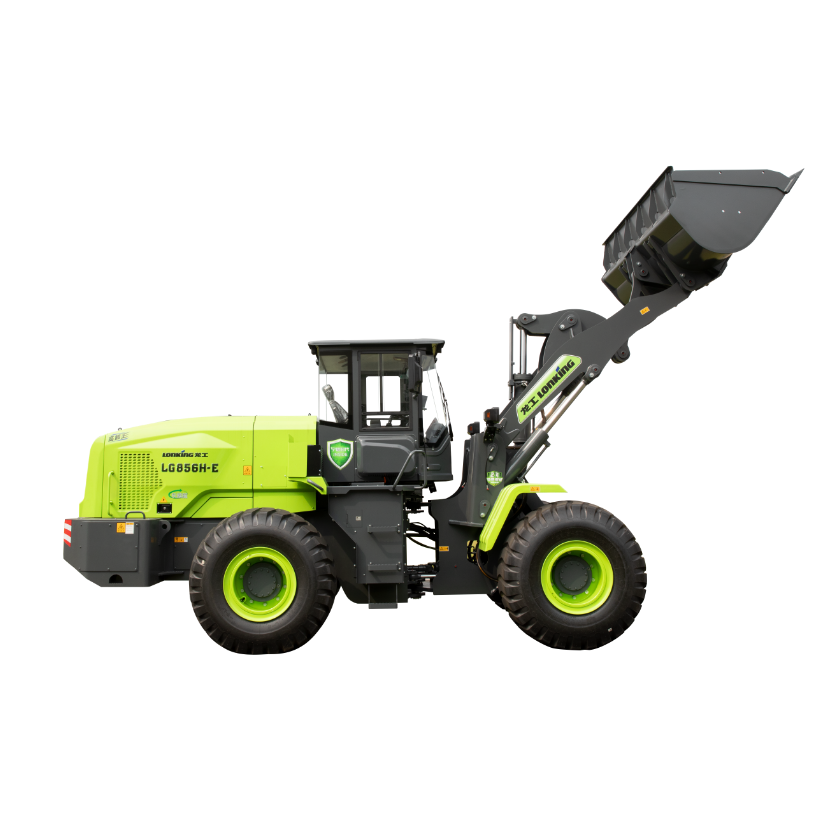
Operating a compact loader requires comprehensive understanding of safety protocols and best practices to ensure both operator wellbeing and workplace efficiency. These versatile machines, commonly used in construction, landscaping, and material handling applications, present unique safety challenges that operators must address through proper training and awareness. The compact loader industry has evolved significantly, with manufacturers implementing advanced safety features while emphasizing the critical importance of operator responsibility in maintaining safe working conditions.
Safety considerations for compact loader operations extend beyond basic machine operation to encompass environmental awareness, equipment maintenance, and emergency preparedness. Modern compact loader designs incorporate multiple safety systems, but human factors remain the most critical component in preventing accidents and ensuring productive operations. Understanding these safety fundamentals creates a foundation for successful compact loader deployment across various industries and applications.
Pre-Operation Safety Inspection Requirements
Daily Equipment Checks
Before operating any compact loader, conducting thorough daily inspections ensures mechanical integrity and identifies potential safety hazards. Operators should examine hydraulic systems for leaks, check tire condition and pressure, and verify proper functioning of all lights and warning devices. The compact loader inspection process includes testing steering responsiveness, brake effectiveness, and ensuring all safety labels remain visible and legible.
Engine compartment inspection involves checking fluid levels, examining belts and hoses for wear, and confirming proper cooling system operation. Operators must also verify that the rollover protective structure remains intact and undamaged, as this component provides crucial protection during tip-over incidents. Regular inspection of attachment points and hydraulic connections prevents equipment failure during operation and maintains the compact loader safety standards required for professional applications.
Operator Readiness Assessment
Personal preparedness plays an equally important role in compact loader safety, requiring operators to assess their physical and mental readiness before beginning work. Fatigue, medication effects, or health conditions can significantly impact reaction time and decision-making capabilities when operating heavy equipment. Professional compact loader operators understand that personal accountability extends beyond technical competence to include honest self-assessment of their capacity to operate safely.
Proper personal protective equipment selection and use represents another critical aspect of operator readiness. Hard hats, safety glasses, steel-toed boots, and high-visibility clothing provide essential protection against common compact loader operation hazards. Operators should also verify that emergency communication devices function properly and that they understand site-specific safety protocols before beginning work activities.
Operational Safety Protocols
Load Handling Procedures
Safe load handling with a compact loader requires understanding machine capacity limitations and proper load distribution principles. Operators must respect manufacturer specifications for maximum lift capacity and avoid exceeding recommended load weights, which can cause tip-over accidents or structural damage. The compact loader stability triangle concept helps operators understand how load position affects machine balance and prevents dangerous operating conditions.
Proper lifting techniques involve keeping loads low during transport, avoiding sudden movements that can destabilize the machine, and maintaining clear visibility around the work area. Compact loader operators should position loads close to the machine centerline and use smooth, controlled movements when raising or lowering attachments. Understanding load center calculations and their impact on machine stability ensures safe operation across various material handling applications.
Travel Safety Guidelines
Moving a compact loader around job sites requires constant awareness of terrain conditions, pedestrian traffic, and overhead hazards. Operators should maintain appropriate travel speeds for site conditions, typically slower than manufacturer maximum speeds when working in congested areas. Clear communication with ground personnel through established signals or radio contact prevents accidents involving personnel working near compact loader operations.
Negotiating slopes and uneven terrain demands special attention to machine stability and proper climbing techniques. Compact loader operators should avoid traveling across slopes whenever possible, instead choosing uphill or downhill routes that maintain better stability. Understanding ground conditions, including soft soil, mud, or debris that could affect traction, helps prevent loss of control incidents that commonly occur during travel operations.
Environmental Hazard Management
Overhead Obstruction Awareness
Operating compact loader equipment near power lines, building overhangs, or tree branches requires heightened awareness and specific safety protocols. Electrical hazards pose severe risks to compact loader operators, particularly when using machines with extended reach capabilities or working in utility areas. Maintaining safe clearance distances from electrical sources protects both equipment and operators from potentially fatal electrical contact incidents.
Structural overhangs and low-clearance areas present crush hazards that require careful navigation and sometimes alternative routing to avoid contact. Compact loader operators should identify overhead hazards during initial site surveys and mark dangerous areas with appropriate warning signs or barriers. Communication with site supervisors about overhead restrictions ensures that work planning accommodates safety requirements while maintaining operational efficiency.
Ground Condition Assessment
Unstable ground conditions significantly impact compact loader safety, requiring operators to continuously assess soil stability, moisture content, and surface integrity. Soft or saturated ground can cause sudden sinking or loss of traction, potentially leading to tip-over incidents or equipment entrapment. Professional compact loader operators understand soil mechanics basics and recognize warning signs of unstable ground conditions before problems develop.
Excavated areas, underground utilities, and hidden obstacles present additional ground-related hazards that require careful investigation before operations begin. Compact loader work often involves disturbed soil conditions where previous excavation or construction activity may have created unstable areas. Operators should coordinate with site personnel to identify underground utility locations and avoid operating over recently backfilled areas that may not support equipment weight.
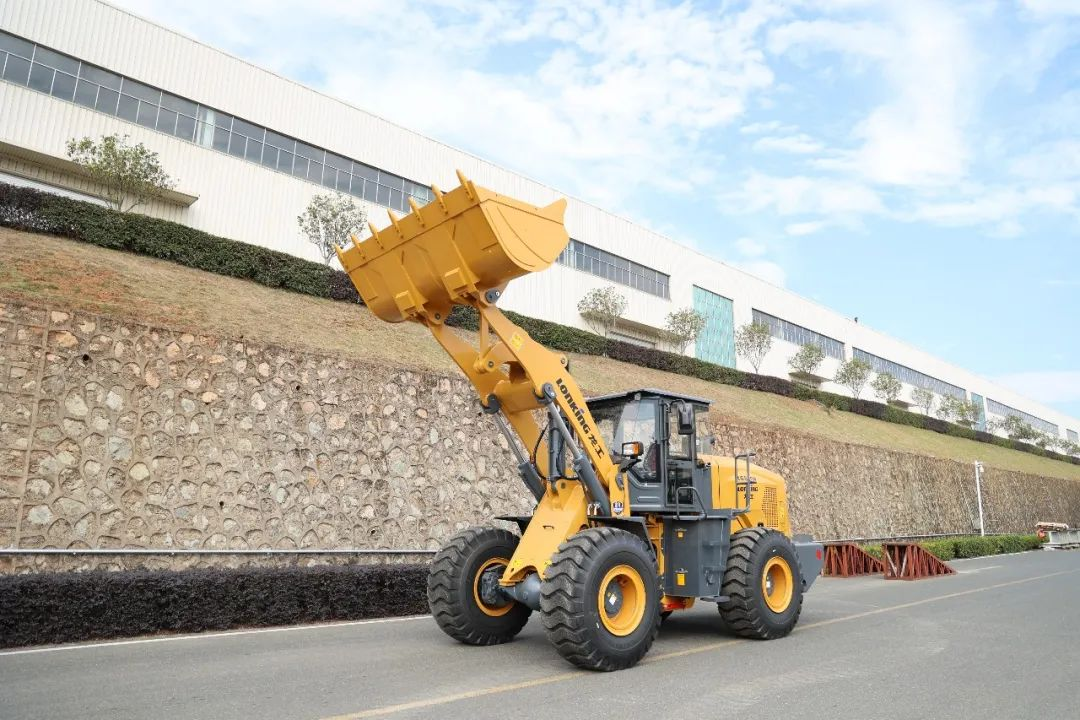
Maintenance Safety Requirements
Preventive Maintenance Scheduling
Regular maintenance prevents many compact loader safety incidents by identifying potential equipment failures before they occur during operation. Scheduled maintenance intervals established by manufacturers provide guidelines for replacing wear components, checking safety systems, and ensuring continued reliable operation. Proper maintenance documentation tracks service history and helps identify recurring issues that might indicate underlying safety concerns with specific compact loader units.
Hydraulic system maintenance receives particular attention in compact loader service schedules due to the high pressures and safety risks associated with hydraulic failures. Regular fluid analysis, filter replacement, and pressure testing prevent catastrophic hydraulic failures that can cause loss of control or create high-pressure injection hazards. Understanding hydraulic safety principles helps maintenance personnel and operators recognize signs of system deterioration before dangerous failures occur.
Emergency Maintenance Procedures
When compact loader equipment requires emergency repairs, safety protocols become even more critical to prevent injuries during maintenance activities. Proper lockout/tagout procedures ensure that stored hydraulic pressure is safely released and that the machine cannot accidentally start during maintenance work. Emergency maintenance situations often involve time pressure, but safety shortcuts during repairs frequently result in serious injuries to maintenance personnel.
Field maintenance safety requires appropriate tools, proper lighting, and stable support for compact loader components during repair work. Improvised repair methods or makeshift support systems create unnecessary risks that professional maintenance practices can easily avoid. Emergency repair situations also demand clear communication with operations personnel to ensure that partially repaired equipment remains properly isolated until repairs are complete and safety systems are fully functional.
Training and Certification Standards
Operator Certification Requirements
Professional compact loader operation requires comprehensive training that covers both technical operation skills and safety awareness principles. Certification programs typically include classroom instruction on equipment specifications, safety regulations, and hazard recognition, followed by hands-on operation training under supervised conditions. Many industries require formal compact loader operator certification before allowing personnel to operate equipment independently on job sites.
Ongoing training requirements ensure that compact loader operators maintain current knowledge of safety practices and equipment updates. Regular refresher training helps reinforce safety principles and introduces operators to new safety technologies or revised operating procedures. Professional development programs also help operators advance their skills and take on more complex compact loader applications while maintaining high safety standards throughout their career progression.
Site-Specific Safety Training
Each work site presents unique safety challenges that require additional training beyond basic compact loader operation certification. Site-specific hazards such as underground utilities, environmental restrictions, or special work procedures demand thorough orientation before operations begin. Effective site safety training combines general compact loader safety principles with location-specific requirements to create comprehensive safety awareness for all operations personnel.
Emergency response procedures receive special emphasis in site-specific training, ensuring that compact loader operators understand evacuation routes, emergency communication protocols, and first aid resources available at each location. Site safety training also covers coordination with other trades and equipment operating in shared work areas, helping prevent conflicts that could create dangerous situations for multiple work groups.
Emergency Response Planning
Incident Response Procedures
Developing comprehensive emergency response plans for compact loader operations ensures rapid, effective response to accidents or equipment failures. Emergency procedures should address medical emergencies, equipment fires, hydraulic failures, and tip-over incidents with clear action steps that any site personnel can follow. Regular emergency response training helps ensure that all personnel understand their roles and can respond effectively under stressful conditions.
Communication protocols during emergencies require designated personnel with authority to coordinate response efforts and contact appropriate emergency services. Compact loader operators should understand how to safely shut down equipment during emergencies and how to provide assistance to injured personnel without creating additional hazards. Emergency equipment locations, including fire extinguishers, first aid supplies, and communication devices, should be clearly marked and regularly inspected.
Accident Investigation Methods
Thorough accident investigation following compact loader incidents helps identify root causes and prevent similar occurrences in the future. Effective investigation procedures preserve evidence, interview witnesses, and analyze equipment condition to determine contributing factors that led to the incident. Professional accident investigation approaches focus on system failures rather than individual blame, encouraging honest reporting that supports continuous safety improvement efforts.
Documentation requirements for compact loader accidents typically include detailed incident reports, photographs of equipment and scene conditions, and recommendations for preventing similar occurrences. Investigation findings should be shared with all relevant personnel to promote learning and awareness that can prevent future incidents. Regular review of accident investigation reports helps identify trends or recurring issues that may require additional safety measures or training emphasis.
FAQ
What personal protective equipment is required for compact loader operation
Essential personal protective equipment for compact loader operators includes hard hats to protect against falling objects, safety glasses to shield eyes from debris, steel-toed boots for foot protection, and high-visibility clothing to enhance operator visibility to other workers. Additional PPE may be required based on specific site conditions, such as hearing protection in high-noise environments or respiratory protection when operating in dusty conditions. Employers should provide site-specific PPE requirements during safety orientation and ensure that all equipment meets relevant safety standards.
How often should compact loader safety inspections be performed
Daily pre-operation inspections are mandatory for all compact loader operations, covering critical safety systems, fluid levels, and overall equipment condition. Weekly inspections should include more detailed examination of hydraulic systems, electrical components, and attachment points. Monthly professional inspections by qualified technicians help identify developing issues that might not be apparent during routine daily checks. Annual comprehensive inspections ensure continued compliance with safety standards and help plan major maintenance activities.
What are the most common causes of compact loader accidents
The most frequent compact loader accidents involve tip-overs caused by exceeding load capacity limits, operating on unstable ground, or traveling too fast on slopes. Contact with overhead power lines represents another significant hazard, particularly for operators working near electrical installations. Struck-by incidents often occur when pedestrians enter the compact loader operating area without proper communication, while maintenance-related accidents frequently result from inadequate lockout procedures or working under unsupported loads.
How do weather conditions affect compact loader safety requirements
Adverse weather conditions significantly impact compact loader safety by affecting visibility, ground stability, and equipment performance. Rain and snow create slippery surfaces that reduce traction and increase stopping distances, requiring reduced operating speeds and increased following distances. High winds can affect load stability and make overhead work more dangerous, while extreme temperatures may impact hydraulic fluid performance and battery life. Operators should adjust their procedures based on current weather conditions and suspend operations when conditions become too dangerous for safe operation.