 EN
EN

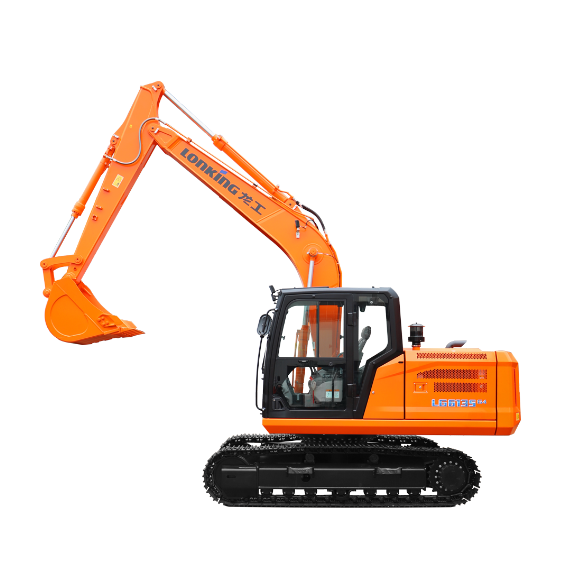
Construction and excavation projects face mounting pressure to optimize operational efficiency while managing escalating equipment costs. Modern wheeled excavators have emerged as versatile solutions that deliver substantial long-term cost savings for contractors, municipalities, and industrial operators. These mobile earthmoving machines combine the power of traditional tracked excavators with enhanced mobility and operational flexibility that translates directly into reduced overhead expenses and improved project profitability.
Enhanced Mobility Reduces Transportation Expenses
Rapid Site-to-Site Movement Capabilities
Traditional tracked excavators require specialized trailers and transport vehicles for moving between job sites, creating significant logistical expenses and time delays. Wheeled excavators eliminate these transportation bottlenecks by traveling directly on public roads at highway speeds. This self-mobility feature reduces the need for dedicated transport equipment, lowering fuel costs, driver wages, and equipment rental fees associated with heavy haulers.
The ability to quickly relocate wheeled excavators between multiple project sites within the same day dramatically improves equipment utilization rates. Contractors can schedule more jobs per machine, spreading fixed ownership costs across larger revenue streams. This operational flexibility proves especially valuable for utility companies, municipal maintenance departments, and contractors managing multiple simultaneous projects across wide geographic areas.
Reduced Equipment Fleet Requirements
The enhanced mobility of wheeled excavators allows single machines to serve multiple project locations efficiently, reducing overall fleet size requirements. Companies can accomplish the same workload with fewer machines, lowering total equipment acquisition costs, insurance premiums, and maintenance overhead. This fleet optimization strategy proves particularly effective for seasonal contractors who need maximum equipment flexibility during peak construction periods.
Additionally, the road-travel capability of wheeled excavators enables contractors to respond rapidly to emergency repair situations or urgent project requests. This responsiveness creates competitive advantages that translate into premium pricing opportunities and improved customer relationships, ultimately enhancing long-term profitability.
Lower Maintenance and Operating Costs
Reduced Wear on Undercarriage Components
Wheeled excavators experience significantly less wear on undercarriage components compared to their tracked counterparts operating on abrasive surfaces. Steel tracks and drive sprockets suffer continuous wear from contact with concrete, asphalt, and rocky terrain, requiring frequent replacement and adjustment. The pneumatic tires used on wheeled excavators provide superior protection against surface abrasion while offering more cost-effective replacement options when wear occurs.
The simplified undercarriage design of wheeled excavators reduces the number of wear points requiring regular maintenance attention. This streamlined configuration translates into lower parts inventory requirements, reduced maintenance labor hours, and fewer unexpected breakdowns that interrupt productive work schedules. The cumulative effect of these maintenance advantages creates substantial cost savings over the machine's operational lifetime.
Improved Fuel Efficiency in Transit
Modern wheeled excavators incorporate advanced engine management systems and optimized drivetrain designs that deliver superior fuel efficiency during road travel and job site operations. The reduced rolling resistance of pneumatic tires compared to steel tracks results in lower engine loads and fuel consumption rates. These efficiency improvements become particularly significant for operators who frequently move equipment between distant job sites.
The fuel savings achieved through improved efficiency compound over time, creating measurable reductions in operational expenses. When combined with reduced transportation fuel costs from eliminating trailer movements, the total fuel savings can represent a substantial portion of annual operating budgets for active construction fleets.
Versatility Maximizes Equipment Utilization
Multi-Application Capability
The design versatility of wheeled excavators enables them to perform diverse construction, utility, and maintenance tasks that would traditionally require multiple specialized machines. This multi-purpose capability allows contractors to maximize equipment utilization rates while minimizing the total number of machines required for comprehensive project completion. The operational flexibility translates directly into improved return on equipment investment.
Many wheeled excavators accommodate quick-change attachment systems that further expand their operational capabilities. From standard digging buckets to specialized tools for trenching, material handling, and demolition work, these machines can adapt quickly to changing project requirements without lengthy setup procedures or additional equipment mobilization costs.
Urban Construction Advantages
Urban construction projects present unique challenges that wheeled excavators address more effectively than tracked alternatives. The reduced ground pressure and improved surface protection offered by pneumatic tires minimize damage to finished pavement, landscaping, and underground utilities. This surface-friendly operation reduces restoration costs and potential liability issues associated with collateral damage during construction activities.
The compact footprint and enhanced maneuverability of wheeled excavators make them ideal for working in congested urban environments with limited access routes and tight working spaces. This operational advantage allows contractors to accept projects that might be challenging or impossible with larger tracked equipment, expanding potential market opportunities and revenue streams.
Long-Term Investment Benefits
Higher Resale Value Retention
Wheeled excavators typically maintain higher resale values compared to tracked excavators due to their broader market appeal and reduced wear characteristics. The ability to operate on paved surfaces without damage makes these machines attractive to a wider range of potential buyers, including contractors who work primarily in urban environments or sensitive areas where track damage is a concern.
The lower maintenance requirements and reduced component wear associated with wheeled excavators contribute to better overall machine condition at trade-in time. Well-maintained units often command premium prices in the used equipment market, helping offset original purchase costs and reducing the total cost of ownership over the machine's service life.
Operational Cost Predictability
The simplified maintenance schedules and more predictable wear patterns of wheeled excavators enable more accurate operational cost forecasting and budget planning. Contractors can establish reliable maintenance reserves and replacement schedules based on historical performance data, reducing uncertainty in project cost estimations and improving overall financial planning accuracy.
This cost predictability becomes particularly valuable for contractors working under fixed-price contracts where unexpected equipment expenses can significantly impact project profitability. The operational reliability of wheeled excavators helps ensure consistent performance and controlled maintenance costs throughout project duration.
FAQ
What are the primary cost advantages of wheeled excavators over tracked models?
Wheeled excavators offer significant cost advantages through reduced transportation expenses, lower undercarriage maintenance costs, improved fuel efficiency, and higher equipment utilization rates. The ability to travel on public roads eliminates the need for specialized transport equipment, while pneumatic tires provide longer service life and lower replacement costs compared to steel tracks. These factors combine to create substantial operational savings over the machine's lifetime.
How do wheeled excavators improve project efficiency and profitability?
The enhanced mobility and versatility of wheeled excavators enable contractors to serve multiple job sites with single machines, maximize equipment utilization, and respond quickly to urgent project requirements. This operational flexibility allows for better resource allocation, reduced equipment idle time, and improved customer service capabilities that translate into competitive advantages and premium pricing opportunities.
What maintenance cost benefits can operators expect from wheeled excavators?
Wheeled excavators typically require lower maintenance costs due to simplified undercarriage designs, reduced wear components, and less frequent replacement intervals for major wear items. The pneumatic tire system experiences less abrasive wear than steel tracks, while fewer grease points and simplified drive systems reduce routine maintenance requirements. These factors contribute to lower parts costs, reduced labor hours, and improved machine availability.
Are wheeled excavators suitable for all types of construction applications?
While wheeled excavators excel in many applications, they are particularly well-suited for utility work, urban construction, road maintenance, and projects requiring frequent equipment relocation. Their superior mobility and surface-friendly operation make them ideal for working on finished surfaces or in areas where track damage must be avoided. However, tracked excavators may still be preferred for heavy-duty applications in extremely soft or unstable ground conditions where maximum traction and stability are required.
Table of Contents
- Enhanced Mobility Reduces Transportation Expenses
- Lower Maintenance and Operating Costs
- Versatility Maximizes Equipment Utilization
- Long-Term Investment Benefits
-
FAQ
- What are the primary cost advantages of wheeled excavators over tracked models?
- How do wheeled excavators improve project efficiency and profitability?
- What maintenance cost benefits can operators expect from wheeled excavators?
- Are wheeled excavators suitable for all types of construction applications?