 EN
EN

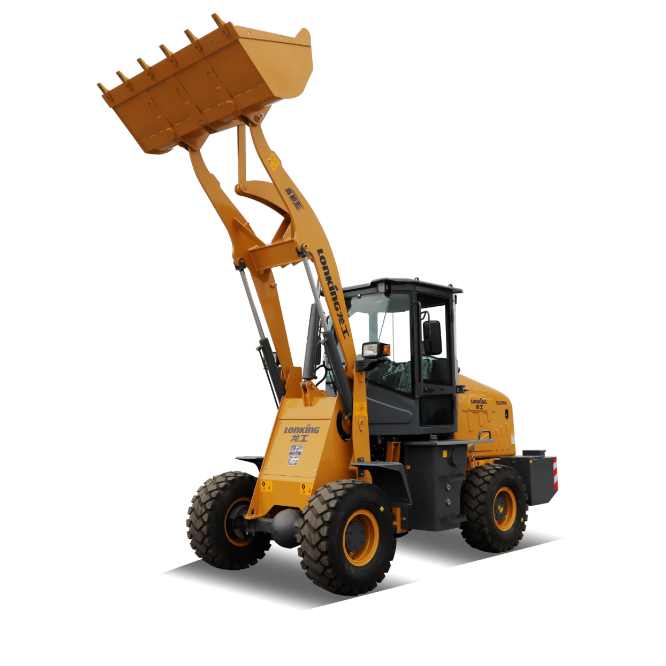
Skid steer loaders have become indispensable machines in construction, landscaping, agriculture, and industrial applications worldwide. These compact yet powerful machines offer exceptional maneuverability in tight spaces while delivering impressive lifting capacity and versatility. However, with their unique operating characteristics and proximity to operators, safety considerations are paramount when working with skid steer loaders. Modern manufacturers have integrated numerous safety features to protect operators, bystanders, and equipment, making these machines safer than ever before. Understanding these safety features is crucial for anyone involved in purchasing, operating, or managing skid steer loaders in any work environment.
Operator Protection Systems in Modern Skid Steer Loaders
Rollover Protective Structures and Certification Standards
The rollover protective structure, commonly known as ROPS, represents one of the most critical safety innovations in skid steer loaders. This reinforced cabin framework is designed to create a protective zone around the operator in the event of machine rollover or tip-over incidents. ROPS certification follows strict international standards, including ISO 3471 and SAE J1040, ensuring that the structure can withstand specific load requirements and impact forces. Modern skid steer loaders feature ROPS designs that integrate seamlessly with the overall machine aesthetics while providing maximum protection without compromising operator visibility or comfort.
The effectiveness of ROPS systems depends on proper installation, regular inspection, and maintaining structural integrity throughout the machine's operational life. Operators must understand that modifications or welding to ROPS structures can compromise their protective capabilities and void safety certifications. Regular visual inspections should check for cracks, deformation, or damage that could affect the structure's performance during an emergency situation.
Falling Object Protective Structures and Overhead Safety
Falling Object Protective Structures, or FOPS, provide essential protection against debris, materials, or objects that may fall from above during skid steer loader operations. These structures typically consist of reinforced overhead guards, screens, or canopies designed to deflect or absorb the impact of falling objects. FOPS certification follows standards such as ISO 3449 and SAE J231, which specify testing requirements for different categories of falling object protection based on object size and impact energy.
The design of FOPS systems in skid steer loaders must balance protection with operational visibility and access. Modern implementations often feature removable panels or doors that allow operators to enter and exit the cabin safely while maintaining overhead protection during operation. Some advanced systems incorporate impact-resistant polycarbonate materials that provide excellent visibility while offering superior protection compared to traditional metal screens.
Advanced Restraint and Operator Security Features
Seat Belt Systems and Occupant Restraint Technology
Seat belt systems in skid steer loaders have evolved significantly from simple lap belts to sophisticated restraint systems that keep operators securely positioned during normal operation and emergency situations. Modern skid steer loaders typically feature retractable seat belts with automatic locking mechanisms that engage during sudden deceleration or impact events. These systems are designed to work in conjunction with ROPS structures to provide comprehensive occupant protection.
The positioning and adjustment of seat belt systems are crucial for effectiveness. Operators should ensure proper belt routing across the pelvis rather than the abdomen, and the belt should fit snugly without restricting normal operating movements. Some advanced skid steer loaders incorporate seat belt monitoring systems that provide audible or visual warnings when operators fail to engage their restraints before beginning work.
Door Interlocks and Access Control Systems
Door interlock systems represent a sophisticated approach to preventing unauthorized or unsafe operation of skid steer loaders. These systems typically prevent engine starting or hydraulic system activation when cabin doors are open or not properly secured. The interlock mechanism ensures that operators cannot inadvertently start the machine while outside the protected operator compartment, reducing the risk of crush injuries or unexpected machine movement.
Modern door interlock systems often incorporate multiple sensors and backup mechanisms to ensure reliable operation while preventing false alarms that could disrupt productivity. Some systems allow for temporary bypass during maintenance procedures while maintaining safety protocols through alternative control methods or lockout procedures.
Hydraulic and Mechanical Safety Systems
Hydraulic Relief Valves and Pressure Management
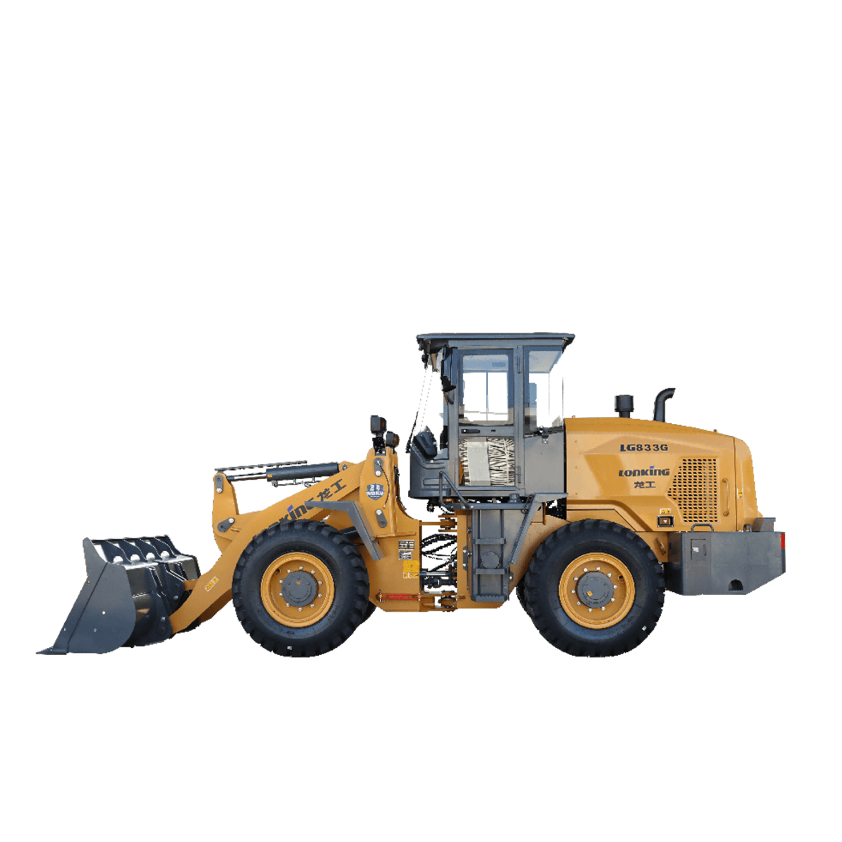
Hydraulic relief valves serve as critical safety components in skid steer loaders by preventing excessive system pressures that could lead to component failure, fluid leaks, or dangerous equipment malfunctions. These valves automatically release hydraulic pressure when it exceeds predetermined limits, protecting both the hydraulic system and operators from potential hazards associated with high-pressure fluid injection or system rupture.
The proper setting and maintenance of relief valves are essential for safe skid steer loader operation. These components should be inspected regularly for proper operation, and pressure settings should never be adjusted beyond manufacturer specifications. Operators should be trained to recognize signs of hydraulic system problems, such as unusual noises, slow response times, or visible fluid leaks that might indicate relief valve issues or other hydraulic safety concerns.
Auxiliary Hydraulic Safety Features and Quick Disconnects
Auxiliary hydraulic systems in skid steer loaders power various attachments and implements, requiring specialized safety features to prevent accidents during connection, operation, and disconnection procedures. Quick disconnect couplings incorporate safety features such as pressure relief mechanisms that prevent high-pressure fluid release during attachment changes. These systems often include visual indicators that show when couplings are properly engaged and secured.
Modern auxiliary hydraulic systems may include electronic controls that prevent inadvertent activation of hydraulic functions when operators are outside the cabin or when safety interlocks are not properly engaged. Some advanced systems provide hydraulic lockout capabilities that allow operators to safely perform maintenance or attachment changes without risk of unexpected hydraulic movement.
Visibility and Awareness Enhancement Systems
Lighting Systems and Illumination Technology
Comprehensive lighting systems are essential safety features in skid steer loaders, particularly for operations in low-light conditions, indoor environments, or during extended work shifts. Modern machines typically feature LED work lights positioned strategically around the machine to eliminate blind spots and provide uniform illumination of the work area. These lighting systems often include front-mounted lights for forward visibility, rear lights for backing operations, and side-mounted lights for improved peripheral awareness.
Advanced lighting systems may incorporate automatic controls that adjust light intensity based on ambient conditions or operating modes. Some systems include warning lights or beacons that alert nearby personnel to machine operation, while others feature directional lighting that follows the movement of attachments or implements to maintain optimal visibility of the work area.
Mirror Systems and Blind Spot Management
Mirror systems in skid steer loaders are designed to provide operators with comprehensive visibility around the machine, particularly in areas that cannot be directly observed from the operator position. Strategic placement of convex and flat mirrors helps eliminate blind spots and provides early warning of approaching personnel or obstacles. These mirrors must be positioned to provide maximum visibility while not obstructing the operator's primary sight lines or interfering with machine operation.
Regular maintenance and adjustment of mirror systems are crucial for maintaining their effectiveness. Mirrors should be cleaned regularly, properly adjusted for each operator, and replaced immediately if damaged or broken. Some advanced skid steer loaders incorporate camera systems or electronic visibility aids that supplement traditional mirror systems for enhanced situational awareness.
Electronic Safety and Monitoring Systems
Engine and System Monitoring Technology
Modern skid steer loaders incorporate sophisticated electronic monitoring systems that continuously track critical engine and system parameters to prevent dangerous operating conditions. These systems monitor factors such as engine temperature, hydraulic fluid temperature, oil pressure, and electrical system status, providing early warning of potential problems before they become safety hazards. Warning systems typically include both audible alarms and visual indicators that alert operators to take corrective action.
Advanced monitoring systems may include automatic shutdown features that protect the engine and other critical components when dangerous operating conditions are detected. These systems help prevent catastrophic failures that could result in fires, explosions, or other serious safety incidents while also protecting the substantial investment represented by modern skid steer loaders.
Load Sensing and Stability Management
Load sensing systems in advanced skid steer loaders help prevent tip-over accidents by monitoring machine stability and providing warnings when operating limits are approached. These systems typically use sensors to measure lift arm position, load weight, and machine angle to calculate stability margins in real-time. When stability limits are approached, the system may provide audible warnings, limit hydraulic functions, or automatically adjust machine parameters to maintain safe operation.
The effectiveness of load sensing systems depends on proper calibration and regular maintenance of sensors and control systems. Operators should understand system limitations and recognize that these technologies supplement, rather than replace, proper operating techniques and situational awareness when working with skid steer loaders in challenging conditions.
Maintenance and Inspection Safety Features
Access Points and Service Safety
Safe access to maintenance points is a critical design consideration in modern skid steer loaders. Machines typically feature strategically placed access panels, service doors, and maintenance platforms that allow technicians to perform routine maintenance tasks without exposing themselves to dangerous components or unstable positions. Non-slip surfaces, grab handles, and proper clearances help ensure safe access to engine compartments, hydraulic reservoirs, and other service points.
Lockout and tagout provisions are essential safety features that prevent accidental machine startup during maintenance procedures. These systems typically include mechanical locks, electrical disconnects, or hydraulic isolation valves that completely disable machine operation while maintenance work is being performed. Proper lockout procedures must be followed consistently to prevent serious injuries during service operations on skid steer loaders.
Diagnostic Systems and Preventive Safety
Advanced diagnostic systems in modern skid steer loaders help identify potential safety issues before they become serious problems. These systems continuously monitor component wear, fluid conditions, and system performance, providing maintenance alerts and recommendations based on actual operating conditions rather than arbitrary time intervals. Early identification of potential problems allows for proactive maintenance that prevents unexpected failures and associated safety risks.
Diagnostic data can be accessed through onboard displays, mobile applications, or remote monitoring systems that allow fleet managers and maintenance personnel to track machine condition and schedule appropriate service interventions. This proactive approach to maintenance helps ensure that safety-critical systems remain in optimal condition throughout the operational life of skid steer loaders.
FAQ
What is the most important safety feature to look for when purchasing skid steer loaders
The most critical safety feature to prioritize is a certified ROPS (Rollover Protective Structure) system that meets international standards such as ISO 3471. This structure provides essential protection in the event of machine rollover, which represents one of the most serious safety risks associated with skid steer loader operation. Additionally, ensure the machine includes proper seat belt systems and FOPS (Falling Object Protective Structure) certification for comprehensive operator protection.
How often should safety systems be inspected on skid steer loaders
Safety systems should be inspected daily as part of pre-operational checks, with more comprehensive inspections conducted weekly or monthly depending on usage intensity. Critical components such as ROPS structures, seat belts, door interlocks, and hydraulic relief valves require regular professional inspection according to manufacturer recommendations. Any damage or malfunction of safety systems should result in immediate machine removal from service until repairs are completed by qualified technicians.
Can safety features be modified or customized on skid steer loaders
Safety features should never be modified, removed, or bypassed without explicit manufacturer approval and proper engineering analysis. Modifications to ROPS structures, safety interlocks, or other certified safety systems can void safety certifications and insurance coverage while creating serious liability issues. Any necessary modifications should be performed by authorized dealers or manufacturers who can ensure continued compliance with safety standards.
What training is required for safe operation of modern skid steer loaders
Operators should receive comprehensive training covering machine-specific safety features, proper operating procedures, and emergency response protocols. Training should include hands-on instruction with the specific model of skid steer loaders being used, as safety features and operating characteristics can vary significantly between manufacturers and models. Regular refresher training helps ensure operators remain current with safety procedures and best practices for their specific machines and operating environments.