 EN
EN

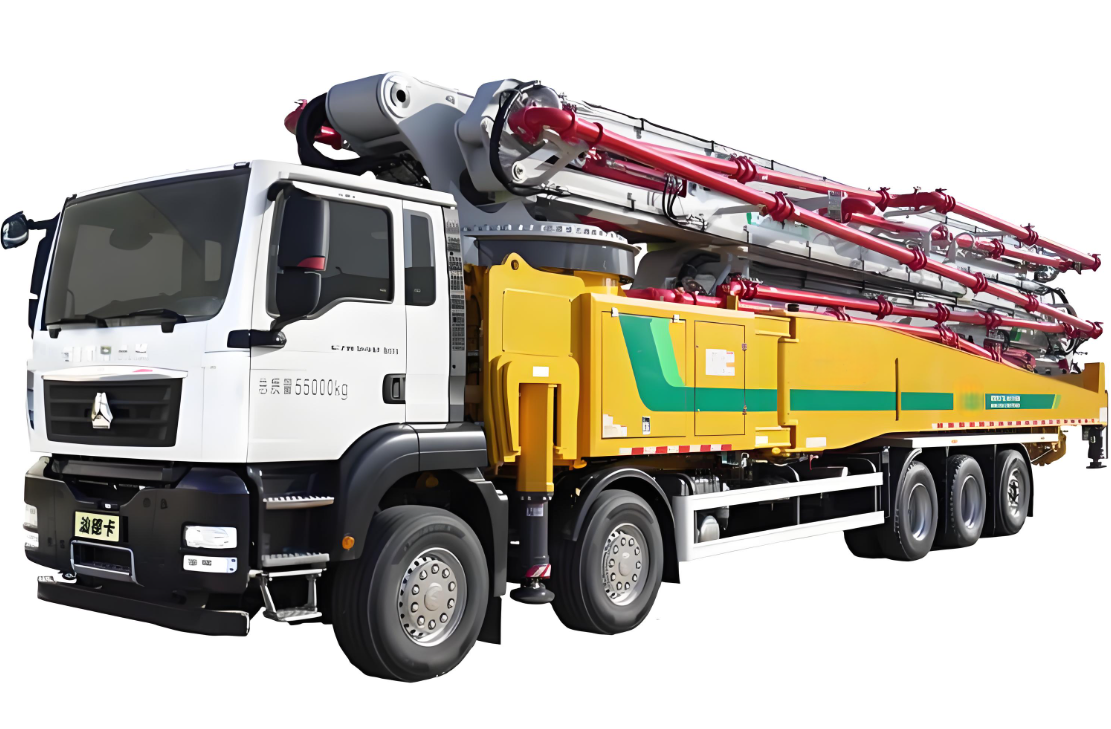
The construction industry demands efficient and reliable concrete delivery solutions that can handle high-volume projects while maintaining consistent quality. A concrete pump mixer truck represents a revolutionary advancement in construction equipment, combining the functionality of concrete mixing and pumping capabilities into a single, powerful machine. This innovative equipment addresses the common challenges faced by contractors who need to deliver fresh concrete to elevated locations or hard-to-reach areas while ensuring optimal mixing consistency throughout the delivery process.
Modern construction projects require sophisticated equipment that can streamline operations while reducing labor costs and project timelines. The concrete pump mixer truck emerges as an essential solution that transforms how contractors approach concrete placement, particularly in complex architectural designs and multi-story buildings. This comprehensive equipment solution eliminates the need for separate mixing and pumping operations, creating a seamless workflow that significantly enhances project efficiency and reduces equipment overhead costs.
Understanding Concrete Pump Mixer Truck Technology
Core Components and Engineering Excellence
The concrete pump mixer truck integrates sophisticated engineering components that work in perfect harmony to deliver exceptional performance. The mixing drum features advanced blade configurations designed to maintain concrete homogeneity while the hydraulic pumping system ensures consistent pressure and flow rates. These machines typically incorporate high-capacity diesel engines that provide sufficient power for both mixing operations and hydraulic pump functions, ensuring reliable performance across diverse job site conditions.
Advanced control systems enable operators to precisely manage mixing speeds, pumping pressure, and concrete flow rates through intuitive dashboard interfaces. The hydraulic boom system extends the reach capabilities significantly, allowing concrete placement at heights and distances that would otherwise require additional equipment or complex logistics. Quality concrete pump mixer truck models feature reinforced chassis designs that can handle the substantial weight loads while maintaining stability during operation.
Hydraulic System Innovation and Performance
The hydraulic pumping mechanism represents the heart of concrete pump mixer truck functionality, utilizing precision-engineered pistons and cylinders to generate consistent concrete flow. Variable displacement pumps allow operators to adjust output volumes according to specific project requirements, ensuring optimal concrete placement rates without compromising quality. The hydraulic system incorporates advanced filtration technology that maintains fluid cleanliness and extends component lifespan, reducing maintenance requirements and operational downtime.
Pressure sensors and automated control systems continuously monitor hydraulic performance, automatically adjusting pump settings to maintain optimal concrete flow characteristics. This intelligent system prevents common issues such as concrete segregation or blockages that can occur with manual operation methods. The concrete pump mixer truck hydraulic system also features emergency stop capabilities and pressure relief valves that protect both equipment and operators during unexpected situations.
Operational Advantages in Construction Applications
Enhanced Project Efficiency and Time Management
Implementing a concrete pump mixer truck dramatically reduces project completion times by eliminating the coordination challenges associated with separate mixing and pumping equipment. Contractors can achieve continuous concrete placement operations without waiting for multiple truck deliveries or dealing with concrete setting issues during transport delays. This streamlined approach allows construction teams to maintain consistent work rhythms and complete larger concrete pours within shorter timeframes.
The integrated design enables single-operator functionality, reducing labor requirements and associated costs while improving overall project coordination. Construction managers can allocate workforce resources more effectively when using concrete pump mixer truck equipment, focusing personnel on finishing operations rather than concrete handling logistics. This efficiency gain becomes particularly valuable in urban construction environments where space constraints and traffic limitations can significantly impact traditional concrete delivery methods.
Quality Control and Consistency Benefits
The concrete pump mixer truck ensures superior concrete quality through continuous mixing action that prevents segregation and maintains uniform consistency throughout the delivery process. Unlike traditional methods where concrete quality can deteriorate during transport, the integrated mixing system keeps concrete in optimal condition until the moment of placement. This continuous mixing capability results in stronger, more durable concrete structures with improved surface finish quality.
Precise control over mixing parameters allows operators to adjust concrete properties according to specific project requirements, ensuring consistent results across different construction phases. The concrete pump mixer truck system maintains optimal water-cement ratios and prevents premature hydration that can compromise concrete strength and workability. Quality assurance becomes more manageable when contractors can control the entire concrete delivery process from mixing through placement.
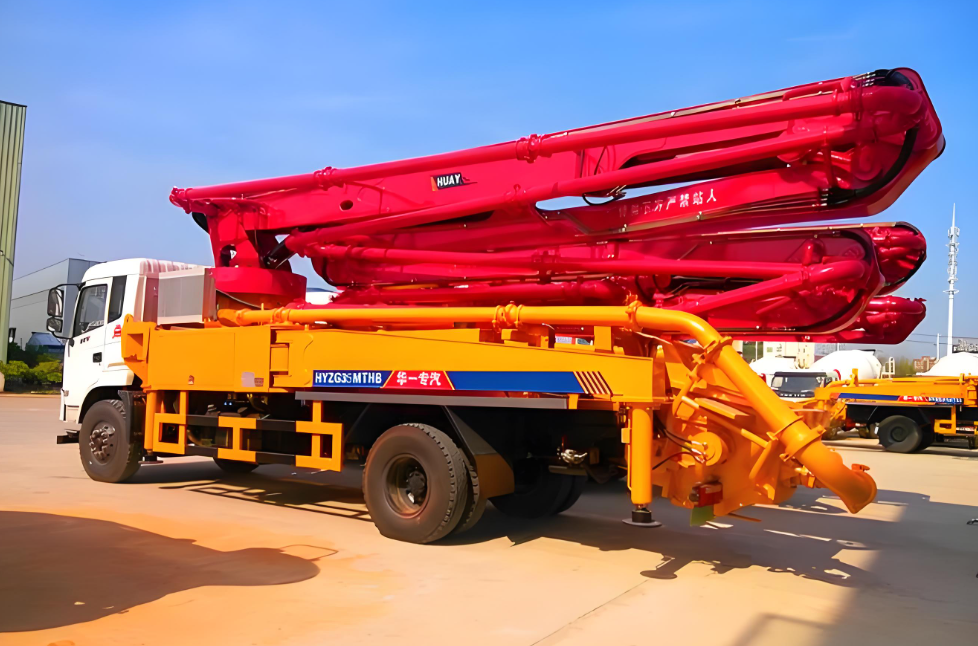
Technical Specifications and Performance Capabilities
Pumping Range and Delivery Capacity
Modern concrete pump mixer truck models offer impressive pumping ranges that can reach heights of 40 meters or more, with horizontal delivery distances extending beyond 200 meters depending on configuration. These specifications enable contractors to handle diverse project requirements, from residential foundations to high-rise commercial buildings, without requiring additional concrete handling equipment. The pumping capacity typically ranges from 20 to 90 cubic meters per hour, providing flexibility for different project scales and concrete volume requirements.
Variable speed controls allow operators to optimize pumping rates according to concrete mix characteristics and placement requirements, ensuring proper consolidation and minimizing waste. The concrete pump mixer truck delivery system maintains consistent pressure throughout the pumping range, preventing concrete segregation or blockages that can occur with inadequate pressure management. Advanced boom designs incorporate articulated sections that provide precise concrete placement control in confined spaces or complex architectural configurations.
Engine Performance and Fuel Efficiency
High-performance diesel engines power concrete pump mixer truck operations, typically featuring displacement ranges from 6 to 12 liters depending on equipment size and capacity requirements. These engines incorporate advanced fuel injection systems and emissions control technology that meet stringent environmental regulations while delivering reliable power output. Fuel consumption rates are optimized through intelligent engine management systems that adjust power delivery according to operational demands.
Turbocharged engine configurations provide enhanced performance at altitude and in demanding operating conditions, ensuring consistent concrete pump mixer truck functionality regardless of environmental factors. Power take-off systems efficiently transfer engine power to hydraulic pumps and mixing mechanisms, maximizing fuel efficiency while maintaining optimal performance levels. Regular maintenance schedules and quality filtration systems extend engine life and reduce operating costs over the equipment lifecycle.
Applications Across Construction Sectors
Residential Construction and Foundation Work
Residential construction projects benefit significantly from concrete pump mixer truck capabilities, particularly in foundation pouring and basement construction applications. The equipment enables contractors to place concrete directly into forms without manual handling or wheelbarrow transport, reducing labor requirements and improving placement accuracy. Tight residential lot conditions often limit access for multiple pieces of equipment, making the concrete pump mixer truck an ideal solution for space-constrained projects.
Foundation walls, slabs, and footings receive superior concrete consolidation when placed through pumping systems compared to traditional pour methods. The controlled flow rates prevent concrete segregation and ensure proper filling of reinforcement areas and form corners. Residential contractors using concrete pump mixer truck equipment can complete foundation work more efficiently while achieving higher quality results that meet or exceed building code requirements.
Commercial and Industrial Project Implementation
Large-scale commercial and industrial construction projects demand reliable concrete delivery systems capable of handling high-volume requirements with consistent quality standards. The concrete pump mixer truck excels in these applications by providing continuous concrete supply to multiple placement locations without transportation delays or quality degradation. Industrial facilities often require concrete placement at significant heights or in confined spaces where traditional methods prove inadequate.
Manufacturing facilities, warehouses, and office buildings benefit from the precision placement capabilities that minimize concrete waste and reduce finishing requirements. The concrete pump mixer truck enables contractors to maintain aggressive construction schedules while meeting strict quality specifications demanded by commercial clients. Complex architectural features and decorative concrete elements receive improved finish quality through controlled pumping and placement techniques.
Maintenance and Operational Considerations
Preventive Maintenance Protocols
Successful concrete pump mixer truck operation requires comprehensive maintenance programs that address both mechanical and hydraulic system components. Daily inspection procedures include checking hydraulic fluid levels, examining wear plates and cutting rings, and verifying proper boom operation before beginning concrete operations. Regular cleaning protocols prevent concrete buildup that can damage pumping mechanisms and reduce equipment efficiency over time.
Scheduled maintenance intervals typically include hydraulic filter replacements, engine service procedures, and thorough system inspections to identify potential issues before they result in costly repairs or operational downtime. Proper lubrication schedules maintain optimal component performance and extend equipment lifespan, providing better return on investment for construction companies. The concrete pump mixer truck maintenance program should include operator training to ensure proper equipment handling and early problem identification.
Operator Training and Safety Requirements
Professional operator training ensures safe and efficient concrete pump mixer truck operation while maximizing equipment productivity and longevity. Comprehensive training programs cover equipment controls, safety procedures, concrete handling techniques, and troubleshooting methods that enable operators to handle diverse job site conditions. Certification requirements vary by jurisdiction but typically include both classroom instruction and hands-on equipment operation under supervision.
Safety protocols encompass proper personal protective equipment, boom operation procedures, and emergency response techniques specific to concrete pump mixer truck operations. Operators must understand concrete characteristics and how different mix designs affect pumping performance and equipment operation. Regular refresher training keeps operators current with evolving safety standards and equipment improvements that enhance both performance and safety outcomes.
Cost Analysis and Investment Considerations
Equipment Acquisition and Financing Options
Concrete pump mixer truck acquisition represents a significant capital investment that requires careful financial analysis and planning. Purchase prices typically range from $300,000 to $800,000 depending on specifications, capacity, and manufacturer, making financing considerations crucial for most construction companies. Lease options provide alternatives for contractors who need equipment access without large capital commitments, particularly beneficial for companies with fluctuating concrete volume requirements.
Used concrete pump mixer truck markets offer cost-effective alternatives for budget-conscious contractors, though buyers must carefully evaluate equipment condition and remaining service life. Manufacturer financing programs often provide competitive rates and terms tailored to construction industry cash flow patterns, making equipment acquisition more manageable for qualified buyers. Total cost of ownership analysis should include maintenance expenses, fuel consumption, insurance costs, and expected resale values over the equipment lifecycle.
Return on Investment and Profitability Analysis
Concrete pump mixer truck profitability depends on utilization rates, rental markets, and operational efficiency gains compared to traditional concrete handling methods. High-utilization scenarios typically generate positive returns within 3-5 years through reduced labor costs, improved project efficiency, and expanded service capabilities. Contractors can command premium rates for concrete pump mixer truck services due to the specialized nature and efficiency benefits provided to customers.
Market analysis reveals strong demand for concrete pumping services across residential, commercial, and infrastructure construction sectors, supporting sustainable profitability for well-managed operations. Revenue diversification opportunities include rental services to other contractors, subcontracting arrangements, and specialized applications such as decorative concrete or repair work. The concrete pump mixer truck investment becomes more attractive as construction markets expand and projects become more complex, requiring specialized equipment capabilities.
FAQ
What is the typical pumping capacity range for a concrete pump mixer truck?
Concrete pump mixer truck models typically offer pumping capacities ranging from 20 to 90 cubic meters per hour, with most commercial units falling in the 40-60 cubic meters per hour range. The actual capacity depends on concrete mix design, pumping distance, height requirements, and equipment specifications. Operators can adjust pumping rates through variable speed controls to match specific project requirements and ensure optimal concrete placement quality.
How does maintenance cost compare to owning separate mixing and pumping equipment?
Maintenance costs for a concrete pump mixer truck are generally lower than maintaining separate concrete mixer and pump equipment due to shared components and simplified logistics. The integrated design reduces the total number of maintenance points and allows for more efficient servicing schedules. However, the complexity of hydraulic systems requires skilled technicians and quality replacement parts, making preventive maintenance programs essential for controlling long-term operating costs.
What are the key safety considerations when operating a concrete pump mixer truck?
Safety considerations include proper boom positioning to avoid overhead power lines, stable equipment setup on level surfaces, and continuous monitoring of hydraulic system pressure during operation. Operators must maintain clear communication with ground personnel and follow established safety protocols for concrete placement activities. Regular safety training, proper personal protective equipment, and adherence to manufacturer operating guidelines are essential for safe concrete pump mixer truck operation.
Can a concrete pump mixer truck handle different types of concrete mixes effectively?
Yes, concrete pump mixer truck equipment can handle various concrete mix designs including standard concrete, lightweight concrete, and specialty mixes with different aggregate sizes and admixtures. However, certain high-slump or fiber-reinforced mixes may require specific equipment modifications or operating procedures to ensure optimal performance. Operators should consult mix design specifications and equipment capabilities to determine compatibility and make necessary adjustments to pumping parameters for different concrete types.
Table of Contents
- Understanding Concrete Pump Mixer Truck Technology
- Operational Advantages in Construction Applications
- Technical Specifications and Performance Capabilities
- Applications Across Construction Sectors
- Maintenance and Operational Considerations
- Cost Analysis and Investment Considerations
-
FAQ
- What is the typical pumping capacity range for a concrete pump mixer truck?
- How does maintenance cost compare to owning separate mixing and pumping equipment?
- What are the key safety considerations when operating a concrete pump mixer truck?
- Can a concrete pump mixer truck handle different types of concrete mixes effectively?