 EN
EN

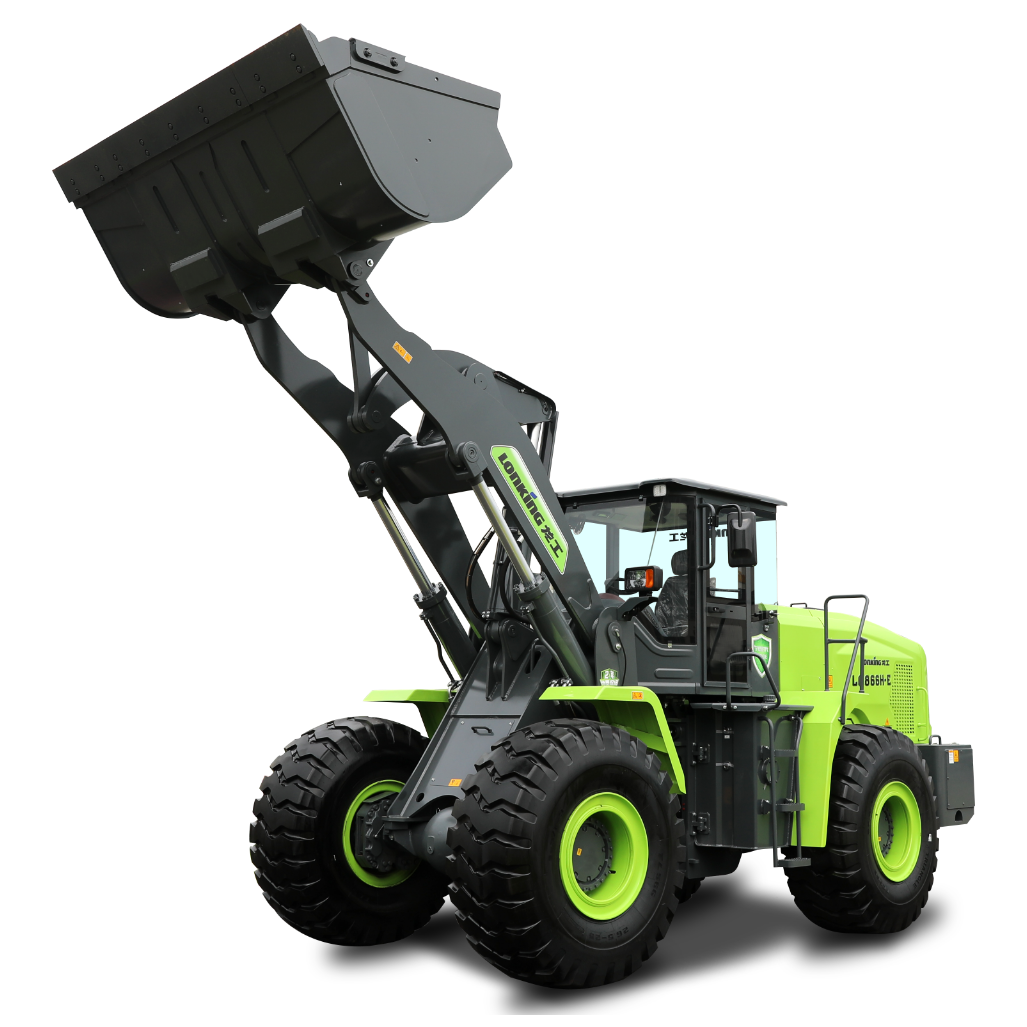
Heavy operations in construction, mining, and industrial applications demand robust equipment that can handle substantial loads while maintaining efficiency and reliability. When selecting a large loader for such demanding environments, understanding the critical features that separate exceptional machines from adequate ones becomes paramount. These powerful pieces of equipment serve as the backbone of countless projects, moving materials, loading trucks, and performing tasks that would otherwise require multiple smaller machines or extensive manual labor.
The modern marketplace offers numerous options for heavy-duty loading equipment, each designed to address specific operational requirements and environmental challenges. From articulated wheel loaders capable of navigating tight spaces to tracked models that excel in unstable terrain, the variety of available configurations ensures that operators can find solutions tailored to their unique needs. However, this abundance of choices also creates complexity in the selection process, making it essential to understand which features truly matter for long-term success and operational efficiency.
Investment in a large loader represents a significant financial commitment that can impact operational capabilities for years or even decades. Therefore, making an informed decision requires careful consideration of multiple factors including power specifications, hydraulic performance, operator comfort, maintenance requirements, and overall build quality. The following comprehensive analysis explores these critical aspects to help operators and fleet managers identify the most suitable equipment for their heavy operations.
Engine Power and Performance Specifications
Horsepower Requirements for Heavy-Duty Applications
The engine serves as the heart of any large loader, directly influencing its ability to handle demanding tasks efficiently. For heavy operations, horsepower ratings typically range from 200 to over 800 horsepower, depending on the specific application requirements and load capacities needed. Higher horsepower engines provide the necessary torque to move substantial loads, climb steep grades, and maintain productivity in challenging conditions where underpowered equipment would struggle or fail entirely.
Modern large loader engines incorporate advanced technologies such as turbocharging, intercooling, and sophisticated fuel injection systems to maximize power output while optimizing fuel consumption. These technological improvements ensure that operators can maintain consistent performance throughout extended work cycles without experiencing significant power degradation. Additionally, engines designed for heavy-duty applications feature reinforced components and enhanced cooling systems to withstand the thermal and mechanical stresses associated with continuous high-load operations.
When evaluating engine specifications, operators should consider not only peak horsepower figures but also torque curves, power delivery characteristics, and operational efficiency across various load conditions. Engines that provide broad torque bands and consistent power delivery throughout their operating range offer superior performance in real-world applications where load conditions frequently change.
Fuel Efficiency and Environmental Compliance
Contemporary large loader engines must balance raw power with fuel efficiency to minimize operating costs and environmental impact. Advanced engine management systems monitor operating conditions in real-time, adjusting fuel delivery, timing, and other parameters to optimize combustion efficiency while maintaining power output. These systems can reduce fuel consumption by 15-25% compared to older engine designs, resulting in significant cost savings over the equipment's operational lifetime.
Environmental regulations increasingly influence engine design, with emissions standards requiring sophisticated aftertreatment systems including selective catalytic reduction (SCR), diesel particulate filters (DPF), and exhaust gas recirculation (EGR) systems. Modern large loader engines incorporate these technologies seamlessly, ensuring compliance with current and anticipated future emissions standards without compromising performance or reliability.
Operators should verify that prospective equipment meets all applicable emissions standards for their operating region and consider future regulatory requirements that may affect equipment usability. Additionally, fuel quality requirements and maintenance intervals for emissions systems should factor into the total cost of ownership calculations when comparing different models.
Hydraulic System Capabilities
Flow Rates and Pressure Specifications
The hydraulic system represents one of the most critical components in any large loader, directly affecting lifting capacity, cycle times, and overall productivity. High-flow hydraulic systems, typically delivering 100-300 gallons per minute or more, enable rapid bucket movements and quick cycle times that maximize material handling efficiency. These systems must operate at pressures ranging from 3,000 to over 5,000 PSI to generate the forces necessary for heavy lifting and digging operations.
Variable displacement pumps provide optimal hydraulic performance by automatically adjusting flow and pressure based on load requirements and operator inputs. This technology ensures maximum efficiency during light-duty operations while providing full system capability when heavy loads demand maximum performance. Load-sensing hydraulic systems further enhance efficiency by matching pump output to actual system demands, reducing heat generation and fuel consumption while extending component life.
Advanced hydraulic systems incorporate multiple independent circuits that allow simultaneous operation of lifting, tilting, and auxiliary functions without compromising performance. This capability significantly improves productivity in applications requiring complex material handling sequences or when operating multiple attachments simultaneously.
Auxiliary Hydraulic Connections
Modern heavy operations frequently require specialized attachments such as hammers, grapples, augers, or sweepers to maximize equipment versatility. Large loader hydraulic systems should provide adequate auxiliary hydraulic capacity to power these attachments effectively without compromising primary function performance. Standard auxiliary circuits typically provide 30-60 GPM flow rates, while high-flow auxiliary systems can deliver 100 GPM or more for demanding attachment applications.
Quick-connect hydraulic couplers enable rapid attachment changes, minimizing downtime when switching between different tools or applications. These couplers should feature flat-face designs to prevent contamination and incorporate pressure relief valves to ensure safe disconnection under pressure. Some advanced systems provide electrical connections alongside hydraulic couplers to support attachments requiring electronic control or feedback systems.
Operators should consider both current and future attachment requirements when evaluating auxiliary hydraulic capabilities. Systems designed with expansion capabilities allow operators to upgrade hydraulic flow rates or add additional circuits as operational needs evolve, protecting the initial equipment investment while maintaining operational flexibility.
Structural Design and Build Quality
Frame Construction and Durability
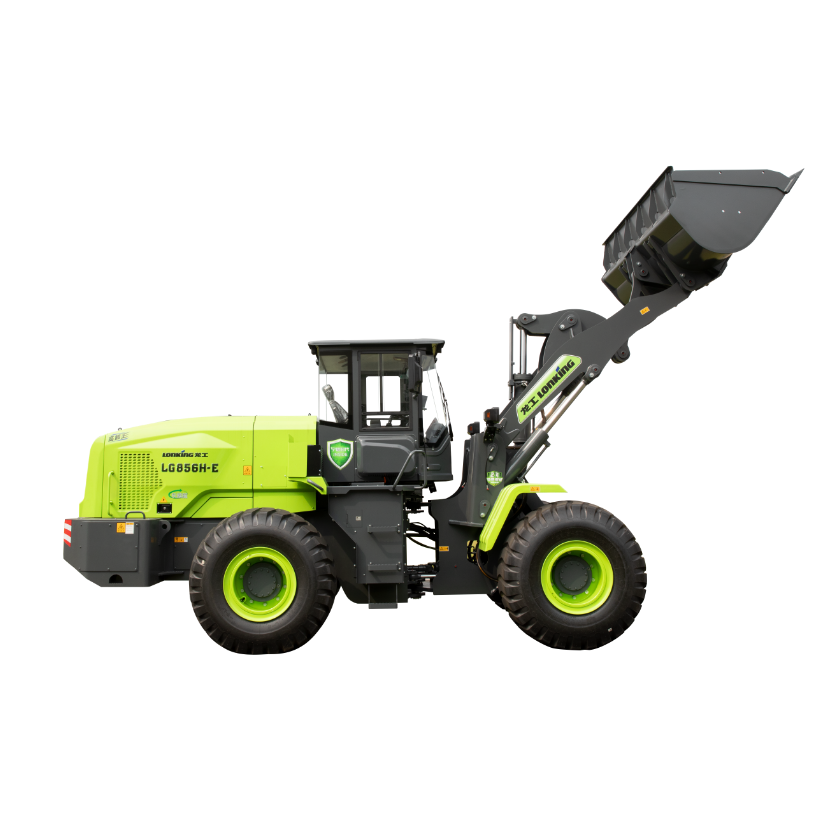
The structural integrity of a large loader directly impacts its ability to withstand the mechanical stresses associated with heavy material handling operations. High-strength steel construction with reinforced stress points ensures longevity and reliability in demanding applications. Welded frame construction should utilize full-penetration welds in critical stress areas, with additional reinforcement around pivot points, lift arm connections, and engine mounting locations.
Articulated frame designs provide excellent maneuverability in confined spaces while maintaining structural strength through robust pivot joints and steering cylinders. The articulation joint represents a critical stress point that must be engineered to withstand millions of steering cycles while carrying heavy loads. Premium designs incorporate sealed bearings, oversized pins, and replaceable bushings to ensure long service life and minimize maintenance requirements.
Frame geometry significantly influences stability, lifting capacity, and overall machine balance. Low center of gravity designs enhance stability when handling heavy loads, while proper weight distribution prevents excessive stress on drive components and improves tire life. Operators should evaluate frame design not only for immediate performance requirements but also for long-term durability and maintenance accessibility.
Component Protection and Serviceability
Heavy operating environments expose equipment to abrasive materials, impact loads, and harsh weather conditions that can rapidly degrade unprotected components. Quality large loader designs incorporate comprehensive protection systems including skid plates, rock guards, and reinforced covers for vulnerable components such as hydraulic lines, electrical systems, and cooling components. These protective features prevent damage from flying debris, impacts, and environmental exposure while minimizing maintenance requirements and repair costs.
Serviceability features significantly impact long-term operating costs and equipment availability. Ground-level service points, grouped maintenance locations, and easy access to filters, fluids, and wear components reduce service time and associated labor costs. Hinged or removable panels provide technician access to internal components without requiring special tools or extensive disassembly procedures.
Electronic diagnostic systems provide real-time monitoring of critical systems and components, enabling predictive maintenance scheduling and rapid fault identification. These systems can monitor parameters such as hydraulic temperatures, engine performance, transmission operation, and electrical system status, alerting operators to potential issues before they result in costly failures or extended downtime.
Operator Comfort and Control Systems
Cab Design and Ergonomics
Operator comfort directly influences productivity, safety, and equipment longevity, particularly in applications requiring extended operating periods. Modern large loader cabs feature pressurized environments with advanced HVAC systems, sound dampening materials, and vibration isolation systems that create comfortable working conditions regardless of external environmental factors. These features reduce operator fatigue and improve concentration, leading to better performance and fewer operational errors.
Ergonomic control layouts position all primary functions within easy reach of seated operators, minimizing physical stress and improving response times during complex material handling sequences. Adjustable seating, steering columns, and armrest-mounted controls allow operators of different sizes to configure optimal working positions. Premium cab designs incorporate memory settings that allow multiple operators to quickly recall their preferred configurations.
Visibility represents a critical safety and productivity factor in large loader operations. Panoramic glass configurations, strategically positioned mirrors, and integrated camera systems provide operators with comprehensive views of the work area, reducing blind spots and improving situational awareness. Some advanced systems incorporate 360-degree camera arrays that provide complete perimeter visibility through integrated display systems.
Electronic Control Integration
Modern large loader control systems integrate electronic interfaces that provide operators with precise control over machine functions while simplifying complex operations. Electronic joystick controls offer infinitely variable responses that enable smooth, precise movements essential for delicate material placement or high-speed production cycles. These systems often include programmable response curves that allow operators to customize control sensitivity based on application requirements or personal preferences.
Integrated display systems provide comprehensive machine status information, performance monitoring, and diagnostic capabilities through intuitive touchscreen interfaces. These displays show critical parameters such as engine temperature, hydraulic pressures, fuel consumption, and maintenance intervals, enabling operators to monitor equipment health and optimize performance in real-time. GPS integration provides location tracking, productivity monitoring, and fleet management capabilities that enhance operational oversight.
Advanced control systems incorporate automatic functions such as load sensing, traction control, and stability management that optimize performance while protecting equipment from damage. These systems continuously monitor operating conditions and automatically adjust machine responses to maintain optimal performance and safety margins, reducing the skill level required for effective operation while protecting valuable equipment investments.
Maintenance and Serviceability Considerations
Scheduled Maintenance Requirements
Understanding maintenance requirements and intervals is crucial for accurate total cost of ownership calculations and operational planning. Large loader maintenance schedules typically include daily, weekly, monthly, and annual service requirements that cover everything from basic fluid checks to comprehensive system overhauls. Modern designs extend service intervals through improved components, better filtration systems, and advanced lubricants that reduce maintenance frequency while maintaining reliability.
Centralized lubrication systems automatically distribute grease to critical bearing points, reducing manual maintenance requirements and ensuring consistent lubrication of hard-to-reach components. These systems significantly reduce service time while improving lubrication reliability, particularly important for equipment operating in dusty or contaminated environments where bearing protection is critical.
Fluid sampling ports and condition monitoring systems enable predictive maintenance strategies that optimize component life while minimizing unexpected failures. Oil analysis programs can identify developing problems weeks or months before they result in component failures, allowing planned maintenance during convenient downtime rather than costly emergency repairs during critical operations.
Parts Availability and Support Network
The availability of replacement parts and technical support significantly impacts equipment uptime and long-term operating costs. Established manufacturers with comprehensive dealer networks provide better parts availability, technical support, and service capabilities compared to smaller or newer manufacturers with limited distribution channels. Local dealer proximity affects response times for emergency repairs and routine maintenance support.
Parts standardization across product lines can reduce inventory requirements and simplify maintenance procedures for operators managing multiple units. Common components such as filters, belts, and wear parts should be readily available from multiple sources to prevent supply chain disruptions. Additionally, parts pricing and availability policies should be evaluated to understand long-term support commitments from manufacturers.
Technical support capabilities including remote diagnostics, online troubleshooting resources, and technician training programs enhance service quality and reduce downtime. Manufacturers offering comprehensive support packages provide better value propositions for operators prioritizing equipment availability and operational continuity.
Safety Features and Technology
Operational Safety Systems
Safety systems in large loader designs protect both operators and nearby personnel while preventing equipment damage from operational errors. Rollover protection structures (ROPS) and falling object protection systems (FOPS) provide essential operator protection in hazardous environments. These systems must meet or exceed applicable safety standards while maintaining operator visibility and comfort.
Stability monitoring systems continuously evaluate machine balance and load conditions, providing warnings when approaching tip-over limits and automatically limiting functions that could compromise stability. These systems are particularly valuable when handling loads near maximum capacity or operating on uneven terrain where stability margins are reduced.
Proximity detection systems use radar, cameras, or other sensors to identify personnel or obstacles in the machine's path, providing warnings or automatically stopping equipment movement to prevent accidents. These systems are increasingly important in busy work environments where multiple personnel and equipment operate in close proximity.
Advanced Warning and Communication Systems
Backup alarms, rotating beacons, and strobe lights provide essential visual and audible warnings that alert nearby personnel to equipment movement. LED lighting systems offer superior visibility and longevity compared to traditional incandescent systems while consuming less electrical power. Work lights should provide comprehensive illumination for safe operation during low-light conditions or night shifts.
Two-way communication systems enable operators to maintain contact with ground personnel, supervisors, and other equipment operators, improving coordination and safety in complex work environments. Integration with site communication networks allows real-time coordination of material movements and equipment positioning.
Emergency shutdown systems provide immediate equipment shutdown capabilities in emergency situations, while backup safety systems ensure continued operation of critical safety functions even during primary system failures. These redundant safety features provide additional protection layers that minimize accident risks and equipment damage potential.
FAQ
What engine horsepower is typically required for heavy-duty large loader applications
Heavy-duty large loader applications typically require engines ranging from 300 to 800 horsepower, depending on the specific load requirements and operating conditions. Construction and mining operations usually demand higher horsepower ratings to handle substantial loads, climb steep grades, and maintain productivity in challenging terrain. The engine should provide adequate torque throughout its operating range to ensure consistent performance during varying load conditions.
How important are auxiliary hydraulic connections for large loader versatility
Auxiliary hydraulic connections are extremely important for maximizing large loader versatility and return on investment. These connections enable operators to use specialized attachments such as grapples, hammers, augers, and sweepers, effectively transforming a single machine into multiple specialized tools. High-flow auxiliary circuits delivering 100 GPM or more provide adequate power for demanding attachments while quick-connect couplers minimize downtime during attachment changes.
What maintenance intervals should operators expect for large loader equipment
Large loader maintenance intervals vary by manufacturer and operating conditions, but typically include daily checks of fluids and basic functions, weekly lubrication of key components, and comprehensive service every 250-500 operating hours. Modern equipment with centralized lubrication systems and extended-life fluids can achieve longer service intervals while maintaining reliability. Severe operating conditions such as dusty environments or continuous heavy loading may require more frequent maintenance to ensure optimal performance and longevity.
How do modern safety systems enhance large loader operation
Modern safety systems significantly enhance large loader operation through features such as stability monitoring, proximity detection, and automatic load limiting functions. These systems continuously monitor operating conditions and provide warnings or automatic interventions to prevent accidents and equipment damage. Advanced safety features include rollover protection, falling object protection, backup cameras, and integrated communication systems that improve operator awareness and coordination with ground personnel during complex material handling operations.
Table of Contents
- Engine Power and Performance Specifications
- Hydraulic System Capabilities
- Structural Design and Build Quality
- Operator Comfort and Control Systems
- Maintenance and Serviceability Considerations
- Safety Features and Technology
-
FAQ
- What engine horsepower is typically required for heavy-duty large loader applications
- How important are auxiliary hydraulic connections for large loader versatility
- What maintenance intervals should operators expect for large loader equipment
- How do modern safety systems enhance large loader operation