 EN
EN

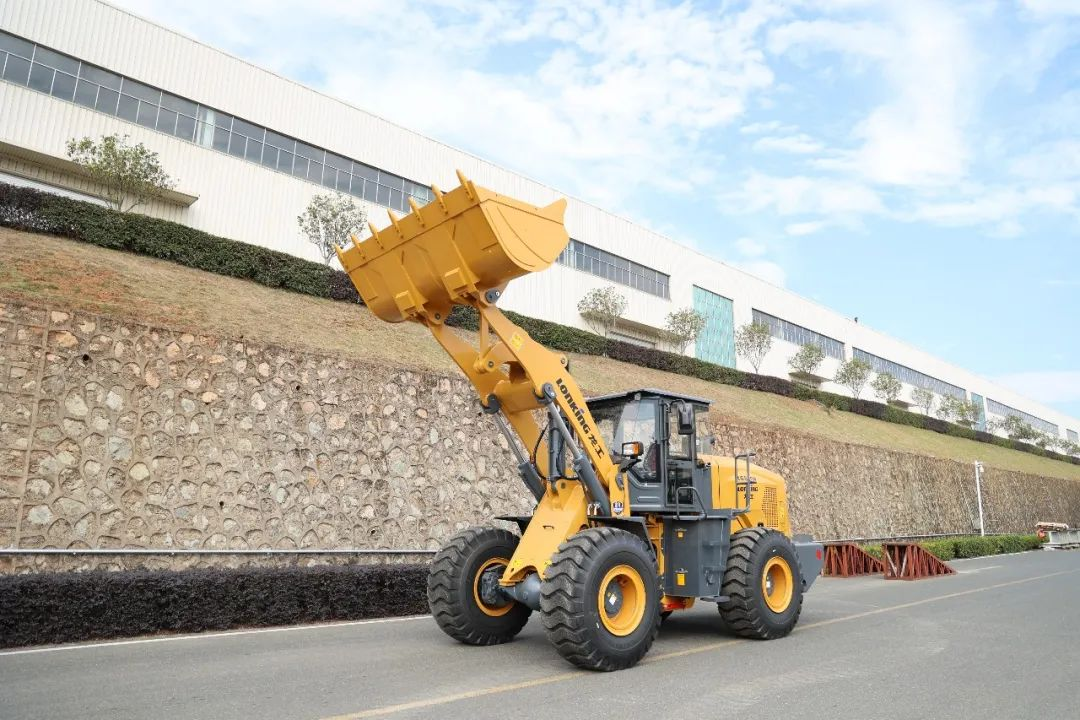
Construction and industrial job sites require efficient material handling solutions to maintain productivity and meet project deadlines. Large loaders have become indispensable equipment for moving heavy materials, excavating earth, and managing bulk cargo across diverse work environments. These powerful machines combine robust engineering with advanced hydraulic systems to deliver exceptional performance in demanding applications.
The evolution of material handling technology has positioned large loaders as critical assets for contractors and operators who need reliable equipment capable of handling substantial payloads. Modern large loaders incorporate sophisticated control systems, enhanced operator comfort features, and fuel-efficient engines that reduce operational costs while maximizing throughput. Understanding how these machines improve workflow efficiency can help businesses make informed equipment investment decisions.
Enhanced Productivity Through Advanced Loading Capabilities
Superior Lifting Capacity and Reach
Large loaders distinguish themselves through exceptional lifting capacity that enables operators to move substantial amounts of material in single cycles. These machines typically feature operating weights exceeding 20 tons and can handle payloads ranging from 5 to 15 tons depending on the specific model and configuration. The extended reach capabilities of large loaders allow operators to access materials stored at height or positioned beyond the immediate work area.
The hydraulic systems integrated into large loaders generate tremendous lifting force while maintaining precise control over load positioning. Advanced boom and arm configurations provide optimal geometry for maximum breakout force and lifting height. This combination of power and precision enables operators to complete loading tasks more efficiently than smaller equipment alternatives.
Modern large loaders incorporate load sensing hydraulic systems that automatically adjust pressure and flow based on operational demands. This intelligent system management reduces energy consumption while ensuring consistent performance across varying load conditions. Operators benefit from smoother machine operation and reduced fatigue during extended work periods.
Versatile Attachment Systems
The versatility of large loaders extends through comprehensive attachment compatibility that transforms these machines into multi-purpose work tools. Standard bucket configurations handle loose materials like soil, gravel, and aggregate, while specialized attachments enable tasks such as material sorting, demolition, and precision placement operations.
Quick-coupling systems allow rapid attachment changes without requiring operators to leave the cab, minimizing downtime and maximizing productive hours. Popular attachments for large loaders include pallet forks for material handling, grapples for debris management, and specialty buckets designed for specific material types. This adaptability makes large loaders valuable investments that can serve multiple functions within a single project.
The robust construction of attachment mounting systems ensures secure connection and optimal load transfer between the machine and implement. Reinforced mounting points and high-strength hydraulic connections enable large loaders to utilize heavy-duty attachments that would exceed the capacity of smaller equipment categories.
Operational Efficiency and Time Management Benefits
Reduced Cycle Times
Large loaders significantly reduce material handling cycle times through their ability to move larger quantities per trip and operate at higher travel speeds. The powerful engines and efficient transmission systems enable these machines to accelerate quickly when loaded and maintain productivity even in challenging terrain conditions. Shorter cycle times directly translate to increased daily material throughput.
The combination of high ground speed and excellent maneuverability allows large loaders to navigate job sites efficiently while maintaining stability under load. Advanced suspension systems and low center of gravity design contribute to operator confidence and enable higher operating speeds without compromising safety or material security.
Intelligent transmission systems automatically select optimal gear ratios based on load conditions and operator input, ensuring maximum power delivery and fuel efficiency. These systems reduce operator workload while maintaining consistent performance across varying operational scenarios.
Extended Operating Hours and Reliability
Large loaders are engineered for extended duty cycles and demanding operational environments that require consistent availability. Heavy-duty component construction and robust cooling systems enable these machines to operate continuously without performance degradation. This reliability factor is crucial for projects with tight schedules and high material throughput requirements.
Preventive maintenance systems integrated into modern large loaders monitor critical component conditions and provide early warning indicators for potential issues. This proactive approach reduces unplanned downtime and extends overall equipment service life. Operators receive real-time feedback on engine performance, hydraulic system status, and maintenance scheduling requirements.
The serviceability design of large loaders facilitates efficient maintenance procedures through accessible component placement and user-friendly diagnostic systems. Quick access panels and centralized service points reduce maintenance time and labor requirements, keeping machines productive and operational.
Economic Advantages and Cost Optimization
Fuel Efficiency and Operating Cost Management
Modern large loaders incorporate advanced engine technology that delivers exceptional fuel efficiency relative to their power output and productivity capabilities. Tier 4 compliant diesel engines utilize sophisticated emissions control systems while maintaining robust performance characteristics. The fuel efficiency of large loaders contributes significantly to overall project cost management.
Intelligent power management systems optimize engine operation based on load requirements and operational conditions. These systems automatically adjust engine speed and hydraulic flow to match task demands, reducing unnecessary fuel consumption during light-duty operations. Operators benefit from extended operating time per fuel tank and reduced daily operating costs.
The high productivity capabilities of large loaders enable contractors to complete projects with fewer machine hours compared to smaller equipment alternatives. This efficiency reduces total fuel consumption, operator wages, and equipment rental costs while accelerating project completion timelines.
Long-Term Investment Value
Large loaders represent substantial capital investments that provide long-term value through durability, versatility, and resale retention. The robust construction and quality components used in these machines ensure extended service life even under demanding operational conditions. This longevity factor makes large loaders attractive investments for contractors with ongoing material handling requirements.
The versatility of large loaders enables them to serve multiple project types and applications throughout their service life. This adaptability maximizes equipment utilization and provides flexibility for contractors who work across diverse market segments. The ability to reconfigure machines with different attachments extends their useful applications beyond initial purchase intentions.
Established manufacturer support networks provide comprehensive parts availability and service support that maintains equipment value over time. Professional technicians trained on large loaders ensure proper maintenance and repair procedures that preserve machine performance and reliability throughout the ownership period.
Safety Features and Operator Protection
Advanced Stability Systems
Large loaders incorporate sophisticated stability control systems that monitor machine balance and prevent potentially dangerous operating conditions. Electronic stability systems continuously assess load weight, boom position, and travel speed to ensure safe operation within manufacturer specifications. These systems provide automatic intervention when operating parameters approach unsafe thresholds.
The low center of gravity design inherent in large loaders provides excellent stability even when handling maximum rated loads. Wide stance configurations and optimal weight distribution contribute to confident operation on uneven terrain and sloped surfaces. Operators benefit from predictable machine behavior and enhanced safety margins during critical lifting operations.
Roll-over protection systems and falling object protective structures provide comprehensive operator protection in hazardous work environments. These safety features meet or exceed industry standards while maintaining operator visibility and comfort. The robust cab construction of large loaders ensures operator security without compromising operational efficiency.
Enhanced Visibility and Control
Modern large loaders feature panoramic cab designs that maximize operator visibility in all directions, reducing blind spots and improving situational awareness. Large glass areas and strategically positioned mirrors enable operators to monitor surroundings and coordinate with ground personnel effectively. Enhanced visibility contributes directly to safer job site operations.
Advanced lighting systems illuminate work areas during extended shift operations and low-light conditions. High-intensity LED work lights provide excellent illumination while consuming minimal electrical power. These lighting systems enable large loaders to maintain productivity during early morning, evening, and night operations.
Ergonomic control layouts in large loaders reduce operator fatigue and improve precision during extended operating periods. Intuitive joystick controls and adjustable seating systems accommodate operators of various sizes while maintaining optimal control accessibility. These comfort features contribute to safer operation through reduced operator stress and improved concentration.
Technology Integration and Smart Features
Digital Display Systems and Monitoring
Contemporary large loaders integrate comprehensive digital display systems that provide real-time operational data and machine status information. These displays show critical parameters such as engine temperature, hydraulic pressure, fuel level, and service interval requirements. Operators receive immediate feedback on machine performance and can respond quickly to changing conditions.
GPS tracking capabilities enable fleet managers to monitor large loaders location, operating hours, and productivity metrics remotely. This technology provides valuable data for equipment utilization analysis and project cost tracking. Fleet management systems help optimize equipment deployment and maintenance scheduling across multiple job sites.
Diagnostic systems integrated into large loaders automatically log error codes and performance anomalies for technician analysis. This capability accelerates troubleshooting procedures and enables predictive maintenance strategies that prevent major component failures. Advanced diagnostics reduce downtime and extend equipment service intervals.
Automation and Precision Control
Large loaders increasingly incorporate automation features that improve operational precision and reduce operator workload. Automated bucket leveling systems maintain optimal material retention during transport and loading operations. These systems compensate for terrain variations and operator input to prevent material spillage.
Grade control systems provide operators with precise positioning feedback for accurate material placement and excavation work. These systems utilize laser or GPS reference points to guide operations within specified tolerances. Grade control technology enhances work quality while reducing the need for manual measurement and adjustment procedures.
Return-to-dig automation enables operators to program repetitive digging patterns that improve consistency and efficiency. The system automatically positions the bucket and boom for optimal digging geometry based on material conditions and operator preferences. This automation reduces operator fatigue while maintaining high productivity levels throughout extended work periods.
Environmental Considerations and Compliance
Emissions Control and Environmental Impact
Modern large loaders comply with stringent emissions regulations through advanced engine technology and exhaust after-treatment systems. Tier 4 compliant engines significantly reduce particulate matter and nitrogen oxide emissions compared to previous generation equipment. These environmental improvements enable large loaders to operate in sensitive areas and urban environments with minimal environmental impact.
Diesel exhaust fluid systems and particulate filters work together to achieve emission compliance while maintaining engine performance and fuel efficiency. These systems require minimal operator intervention and provide reliable operation throughout extended service intervals. Environmental compliance ensures large loaders remain viable equipment choices as regulations continue evolving.
Noise reduction features incorporated into large loaders minimize acoustic impact on surrounding areas and improve operator comfort. Sound dampening materials and optimized engine mounting systems reduce overall noise levels without compromising performance. These improvements enable operation in noise-sensitive environments and extended shift work.
Sustainable Operation Practices
The high efficiency and productivity of large loaders contribute to sustainable construction practices through reduced fuel consumption per unit of work completed. Efficient material handling reduces the total number of machine hours required for project completion, minimizing overall environmental impact. Large loaders enable contractors to complete projects with lower carbon footprints compared to less efficient alternatives.
Biodegradable hydraulic fluids and environmentally friendly lubricants reduce the potential for soil and water contamination in sensitive work environments. These fluids maintain equipment performance while providing additional environmental protection. Responsible fluid management practices ensure large loaders operate with minimal ecological impact.
The durability and long service life of large loaders reduce the frequency of equipment replacement and associated manufacturing environmental costs. Quality construction and maintainability extend equipment useful life and reduce waste generation. This sustainability factor makes large loaders environmentally responsible investments for long-term material handling requirements.
FAQ
What are the typical operating costs associated with large loaders
Operating costs for large loaders typically include fuel consumption ranging from 8-15 gallons per hour depending on work intensity, regular maintenance expenses for filters and fluids, and periodic major component service. Insurance and operator wages constitute additional operational expenses, while the high productivity of large loaders often results in lower per-ton material handling costs compared to smaller equipment alternatives.
How do large loaders compare to excavators for material handling applications
Large loaders excel in material handling and loading applications due to their high travel speeds, excellent stability, and efficient bucket design optimized for loose materials. Excavators provide superior digging force and precision for earthmoving but typically operate at slower speeds for material transport. Large loaders are generally more efficient for repetitive loading cycles and material stockpile management tasks.
What maintenance requirements are specific to large loaders
Large loaders require regular hydraulic system maintenance including filter changes and fluid analysis to ensure optimal performance. Engine maintenance follows standard heavy equipment intervals with emphasis on air filtration due to dusty operating environments. Tire or track maintenance represents a significant consideration, with proper inflation and rotation extending service life and reducing operating costs.
Can large loaders operate effectively in confined job site spaces
While large loaders require adequate maneuvering space due to their size, many models feature articulated steering systems that provide excellent maneuverability in reasonably confined areas. Operators should evaluate specific job site constraints against machine dimensions and turning radius specifications. Some applications may benefit from smaller loader alternatives when space limitations significantly restrict operational efficiency.