 EN
EN

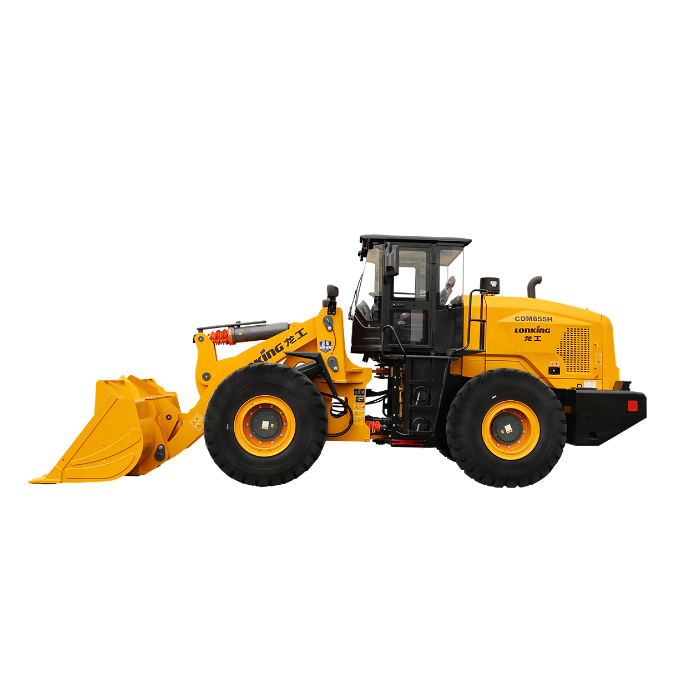
When evaluating heavy machinery for industrial applications, understanding the performance differences between large and smaller loaders is crucial for making informed investment decisions. While both categories serve essential roles in material handling and construction operations, their capabilities vary significantly across multiple performance metrics. A diesel forklift truck represents one of the most versatile pieces of equipment in this category, bridging the gap between pure loading equipment and specialized material handling solutions. The choice between larger and smaller loaders ultimately depends on specific operational requirements, workspace constraints, and performance expectations that align with your business objectives.
Engine Power and Torque Characteristics
Large Loader Engine Performance
Large loaders typically feature engines ranging from 200 to 500 horsepower, delivering substantial torque output that enables them to handle massive loads with ease. These powerhouses utilize advanced turbocharging systems and sophisticated fuel injection technologies to optimize performance across varying load conditions. The robust engine architecture allows for consistent power delivery even under extreme stress, making them ideal for continuous heavy-duty operations. Unlike a standard diesel forklift truck, large loaders are designed to maintain peak performance while moving tons of material across challenging terrain.
The cooling systems in large loaders are engineered to handle extended operational periods without performance degradation. Advanced radiator designs and multiple cooling circuits ensure optimal operating temperatures even during intensive work cycles. This thermal management capability translates directly into sustained performance and reduced downtime, critical factors in high-productivity environments where equipment reliability determines project success.
Smaller Loader Engine Efficiency
Smaller loaders typically operate with engines producing 75 to 150 horsepower, focusing on fuel efficiency and precise control rather than raw power. These compact powertrains are optimized for versatility and maneuverability in confined spaces where larger equipment cannot operate effectively. The engine-to-weight ratio in smaller loaders often provides superior acceleration and responsiveness, making them excellent choices for applications requiring frequent directional changes and precise positioning.
Modern smaller loaders incorporate variable displacement hydraulic pumps that automatically adjust power output based on load requirements. This intelligent power management system ensures optimal fuel consumption while maintaining the performance standards necessary for efficient operations. The result is a cost-effective solution that delivers reliable performance without the operational expenses associated with larger equipment.
Lifting Capacity and Hydraulic Performance
Heavy-Duty Lifting Capabilities
Large loaders excel in lifting capacity, with many models capable of handling 15,000 to 35,000 pounds or more depending on configuration and attachment selection. The hydraulic systems in these machines operate at pressures exceeding 4,000 PSI, providing the force multiplication necessary for lifting massive loads to significant heights. This capability makes them indispensable for large-scale construction projects, mining operations, and industrial facilities requiring substantial material handling capacity.
The hydraulic architecture in large loaders typically features multiple independent circuits, allowing simultaneous operation of various functions without performance compromise. This parallel hydraulic design enables operators to lift, tilt, and maneuver loads simultaneously, significantly improving operational efficiency. A quality diesel forklift truck shares some of these hydraulic principles, though scaled appropriately for different applications and load requirements.
Precision and Agility in Smaller Systems
Smaller loaders typically offer lifting capacities ranging from 3,000 to 8,000 pounds, with hydraulic systems designed for precision and responsiveness rather than maximum force. The hydraulic pumps in these machines provide excellent control characteristics, allowing operators to perform delicate positioning tasks with remarkable accuracy. This precision makes smaller loaders particularly valuable in applications where material placement accuracy is more important than raw lifting capacity.
The hydraulic response time in smaller loaders is often superior to larger machines due to shorter hydraulic lines and reduced system volume. This quick response translates into improved operator productivity and reduced cycle times for repetitive tasks. The combination of responsive controls and moderate lifting capacity makes these machines ideal for warehouse operations, landscaping projects, and light construction applications.
Mobility and Maneuverability Factors
Large Loader Stability and Traction
Large loaders prioritize stability and traction over agility, featuring wide wheelbases and low centers of gravity that provide exceptional stability when handling heavy loads. The tire packages on these machines typically include oversized, heavy-duty tires designed to distribute weight effectively and provide maximum traction on various surface conditions. This stability advantage allows large loaders to operate safely with maximum loads even on uneven terrain.
The turning radius of large loaders is necessarily larger due to their extended wheelbase and overall dimensions. While this limits their effectiveness in confined spaces, it contributes significantly to their stability and load-handling safety. Advanced traction control systems and differential locks help maintain mobility even in challenging conditions where smaller equipment might struggle to maintain grip and forward progress.
Compact Loader Agility Advantages
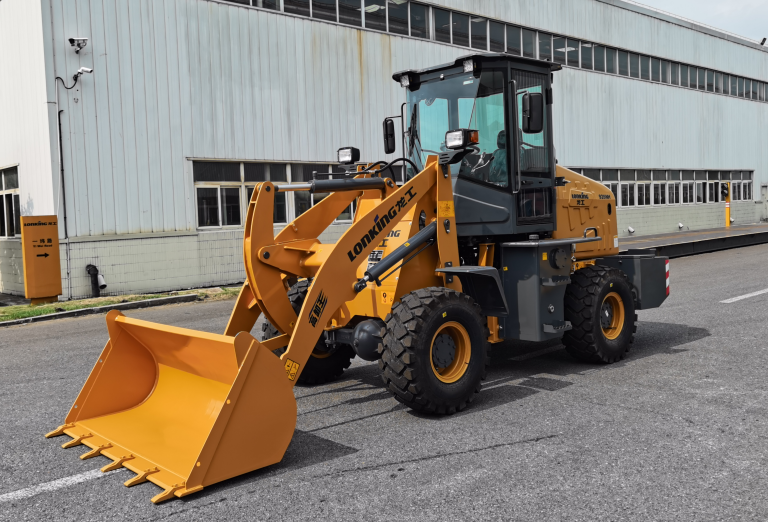
Smaller loaders are engineered for maximum maneuverability, with tight turning radii and compact dimensions that allow them to navigate spaces where larger equipment simply cannot fit. The reduced weight and smaller footprint of these machines make them ideal for indoor operations, urban construction sites, and residential projects where space constraints are significant factors. This agility advantage extends to transportation considerations, as smaller loaders can often be transported on standard trailers without special permits.
The ground pressure exerted by smaller loaders is typically lower than their larger counterparts, making them suitable for operations on sensitive surfaces or areas where ground damage must be minimized. This characteristic, combined with their superior maneuverability, makes smaller loaders particularly valuable for landscaping, agricultural applications, and facilities maintenance where surface preservation is important.
Operational Efficiency and Productivity Metrics
High-Volume Production Capabilities
Large loaders are designed for high-volume material handling operations where maximum productivity is the primary objective. Their substantial bucket capacities, ranging from 3 to 8 cubic yards or more, enable them to move large quantities of material with each cycle. When combined with their powerful hydraulic systems and robust construction, these machines can maintain impressive production rates even under demanding operational conditions.
The operational efficiency of large loaders extends beyond pure material volume to include reliability and uptime factors. These machines are built with heavy-duty components designed for extended service intervals and minimal maintenance requirements. The result is equipment that can operate for thousands of hours with routine maintenance, providing consistent productivity that justifies their higher initial investment and operating costs.
Versatile Task Management
Smaller loaders excel in versatility and task diversity rather than pure volume production. Their ability to quickly change attachments and adapt to different applications makes them incredibly valuable for operations requiring flexibility. The reduced cycle times and quick attachment systems enable operators to transition between tasks efficiently, maximizing equipment utilization across multiple applications within a single work shift.
The operational efficiency of smaller loaders is often measured in terms of task completion speed rather than material volume moved. Their precision controls and responsive hydraulics enable operators to complete detailed work quickly and accurately, reducing the need for manual labor and improving overall project efficiency. This capability makes them particularly valuable in applications where quality and precision are more important than raw productivity.
Cost Considerations and Return on Investment
Large Loader Investment Analysis
The initial investment in large loaders is substantially higher than smaller alternatives, with purchase prices often ranging from $300,000 to over $1,000,000 depending on size and specifications. However, their high productivity capabilities and extended service life often result in favorable cost-per-ton-moved calculations for high-volume operations. The robust construction and heavy-duty components typically provide service lives exceeding 15,000 operating hours with proper maintenance.
Operating costs for large loaders include higher fuel consumption, increased maintenance expenses, and greater insurance premiums compared to smaller equipment. However, their ability to replace multiple smaller machines or reduce labor requirements can result in significant operational savings. The key to maximizing return on investment lies in ensuring adequate utilization rates that justify the higher fixed and variable costs associated with these powerful machines.
Smaller Loader Economic Advantages
Smaller loaders offer attractive initial purchase prices typically ranging from $50,000 to $200,000, making them accessible to smaller contractors and businesses with limited capital budgets. The lower acquisition cost reduces financing requirements and enables faster payback periods, particularly for businesses with diverse equipment needs. This affordability factor makes smaller loaders an excellent entry point for companies expanding their material handling capabilities.
The operational economics of smaller loaders favor efficiency over raw productivity, with lower fuel consumption, reduced maintenance costs, and minimal facility requirements. These machines can often be serviced by general mechanics rather than specialized technicians, reducing long-term maintenance expenses. The combination of lower acquisition costs and reduced operating expenses makes smaller loaders an attractive option for businesses prioritizing operational flexibility and cost control.
Application-Specific Performance Considerations
Heavy Industry Applications
Large loaders dominate in heavy industrial applications where material volumes and load weights exceed the capabilities of smaller equipment. Mining operations, large construction projects, and material processing facilities rely on these powerful machines to maintain production schedules and handle substantial material volumes efficiently. The durability and reliability of large loaders make them essential for operations where equipment failure could result in significant production losses.
The specialized attachments available for large loaders enable them to handle diverse materials from aggregates and minerals to waste products and recycled materials. This versatility, combined with their substantial power reserves, makes them capable of adapting to changing operational requirements without compromising performance. The integration of advanced control systems and operator assistance features further enhances their effectiveness in demanding industrial environments.
Specialized and Precision Applications
Smaller loaders excel in applications requiring precision, versatility, and access to confined spaces where larger equipment cannot operate effectively. Landscaping projects, residential construction, and facility maintenance operations benefit from the maneuverability and gentle handling characteristics of these compact machines. The ability to work in close proximity to structures, vehicles, and personnel makes smaller loaders invaluable for urban and indoor applications.
The attachment variety available for smaller loaders enables them to perform functions traditionally requiring multiple pieces of equipment or manual labor. From material handling and excavation to snow removal and agricultural applications, these versatile machines can adapt to seasonal and changing operational requirements. This flexibility makes them particularly valuable for contractors and businesses requiring multi-functional equipment solutions.
FAQ
What factors should I consider when choosing between large and smaller loaders for my operation?
The primary factors include material volume requirements, available workspace, load weights, operational frequency, and budget constraints. Large loaders are ideal for high-volume operations with substantial material handling needs, while smaller loaders excel in confined spaces and applications requiring versatility and precision. Consider your typical load sizes, site access requirements, and whether you need maximum productivity or operational flexibility to make the best choice for your specific applications.
How do fuel consumption rates compare between large and smaller loaders?
Large loaders typically consume 8-15 gallons per hour depending on load and operating conditions, while smaller loaders generally use 2-6 gallons per hour. However, when evaluated on a cost-per-ton-moved basis, large loaders often demonstrate superior efficiency for high-volume operations due to their greater material handling capacity per fuel unit consumed. The choice depends on whether your operation prioritizes absolute fuel economy or productivity-adjusted fuel efficiency.
Can smaller loaders handle the same attachments as large loaders?
While both size categories support various attachments, the hydraulic flow rates and lifting capacities differ significantly between large and smaller loaders. Large loaders can power heavy-duty attachments like large buckets, hydraulic hammers, and high-capacity forks that would overwhelm smaller machines. Smaller loaders work best with proportionally sized attachments designed for their hydraulic capabilities and structural limitations, though many attachment types are available in multiple size ranges to match equipment capabilities.
What maintenance differences exist between large and smaller loader categories?
Large loaders typically require more intensive maintenance due to their complex hydraulic systems, larger engines, and heavy-duty components, but they often have longer service intervals. Smaller loaders generally need more frequent but less complex maintenance procedures, with many routine services manageable by general mechanics. Large loaders may require specialized technicians and diagnostic equipment, while smaller loaders often use more standardized components that are easier and less expensive to service and replace.
Table of Contents
- Engine Power and Torque Characteristics
- Lifting Capacity and Hydraulic Performance
- Mobility and Maneuverability Factors
- Operational Efficiency and Productivity Metrics
- Cost Considerations and Return on Investment
- Application-Specific Performance Considerations
-
FAQ
- What factors should I consider when choosing between large and smaller loaders for my operation?
- How do fuel consumption rates compare between large and smaller loaders?
- Can smaller loaders handle the same attachments as large loaders?
- What maintenance differences exist between large and smaller loader categories?