 EN
EN

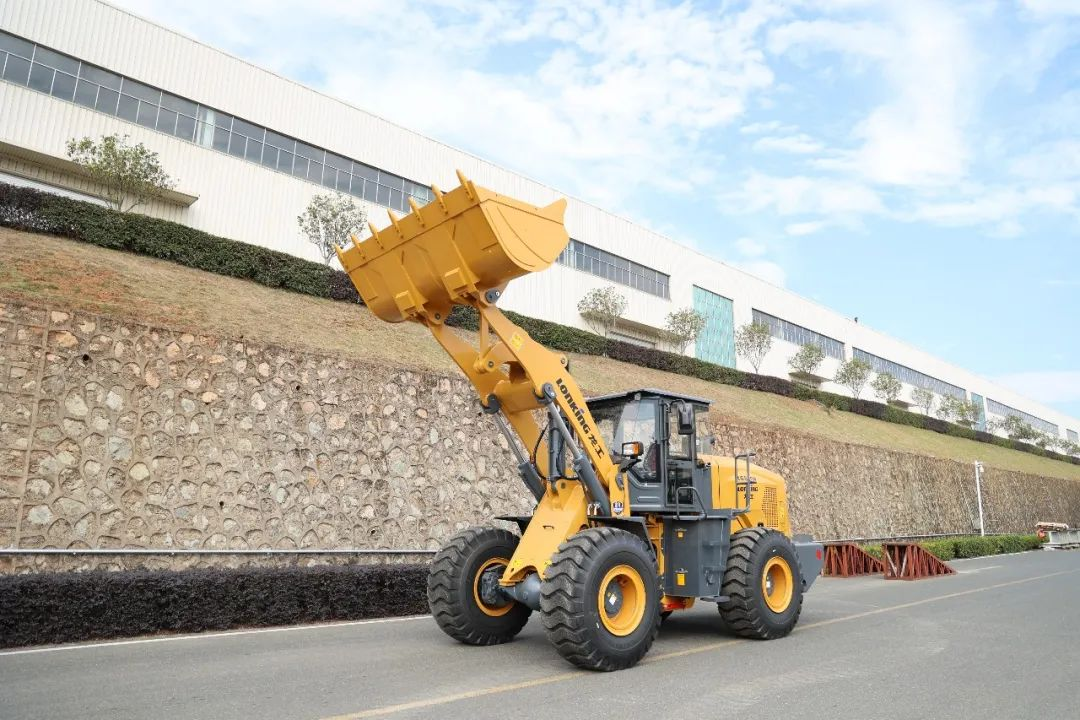
Industrial sites across the globe are constantly seeking ways to optimize their operations while reducing fuel consumption and operational costs. Large construction projects, mining operations, and material handling facilities require heavy machinery that can handle substantial loads efficiently. Large loaders have emerged as a critical solution for businesses looking to maximize productivity while minimizing their environmental footprint and fuel expenses.
Understanding the Fuel Efficiency Advantages of Large Loaders
Advanced Engine Technology in Modern Equipment
Modern large loaders incorporate cutting-edge engine technology designed specifically for fuel efficiency. These machines feature advanced diesel engines with optimized combustion systems that deliver maximum power output while consuming less fuel per operating hour. The integration of electronic fuel injection systems allows for precise fuel metering, ensuring that every drop of diesel is utilized effectively during loading operations.
Manufacturers have invested heavily in developing engines that meet stringent emission standards while maintaining superior fuel economy. Large loaders equipped with Tier 4 Final engines demonstrate remarkable improvements in fuel consumption compared to older models. These engines incorporate sophisticated after-treatment systems and advanced engine management software that continuously monitors and adjusts fuel delivery for optimal performance.
Load Capacity Optimization Benefits
The primary advantage of large loaders lies in their ability to move substantial amounts of material in fewer trips. A single large loader can accomplish the work of multiple smaller machines, resulting in significant fuel savings across the entire operation. When comparing fuel consumption per ton of material moved, large loaders consistently outperform smaller equipment due to their superior load-to-fuel ratio.
Large construction and mining sites benefit tremendously from this efficiency gain. Instead of operating three or four smaller loaders that collectively consume more fuel, a single large loader can handle the same workload with considerably lower fuel consumption. This consolidation of equipment not only reduces fuel costs but also minimizes maintenance requirements and operator expenses.
Strategic Operational Benefits for Large Scale Projects
Reduced Equipment Fleet Requirements
Implementing large loaders in site operations allows companies to reduce their overall equipment fleet size without compromising productivity. Fewer machines operating simultaneously means lower aggregate fuel consumption, reduced maintenance overhead, and simplified logistics management. This strategic approach to equipment selection can result in fuel savings of 20-30% compared to operating multiple smaller units.
The large loaders available in today's market offer exceptional lifting capacities and operational efficiency that make them ideal for high-volume material handling applications. These machines are engineered to handle demanding workloads while maintaining fuel efficiency standards that satisfy both environmental and economic requirements.
Enhanced Productivity Through Extended Operating Cycles
Large loaders are designed with extended operating cycles that minimize fuel consumption during idle periods. Advanced hydraulic systems and intelligent power management features ensure that fuel is consumed only when necessary for productive work. These machines can maintain consistent performance throughout extended shifts without the frequent refueling requirements associated with smaller equipment.
The productivity gains achieved through large loaders translate directly into fuel efficiency improvements. Higher material throughput per hour means that work sites can complete projects faster, reducing the total fuel consumption required for project completion. This efficiency becomes particularly significant on large-scale construction and mining projects where fuel costs represent a substantial portion of operational expenses.
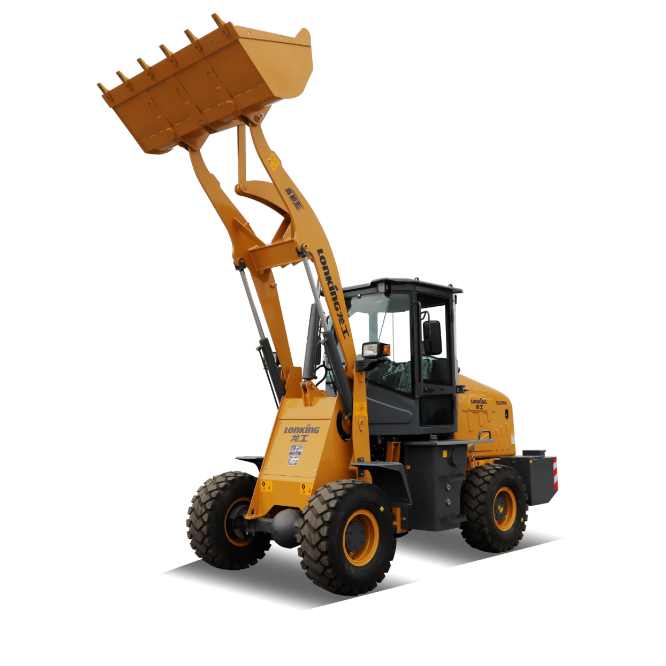
Technology Integration for Maximum Fuel Efficiency
Smart Control Systems and Fuel Monitoring
Contemporary large loaders incorporate sophisticated control systems that continuously monitor fuel consumption and optimize engine performance. These systems provide real-time feedback to operators and fleet managers, enabling data-driven decisions that further reduce fuel consumption. Telematics integration allows for remote monitoring of fuel usage patterns and identification of opportunities for efficiency improvements.
Fleet management software integrated with large loaders provides comprehensive fuel consumption analytics that help operators identify the most efficient operating procedures. These systems can track fuel consumption per load, per hour, and per project phase, providing valuable insights that enable continuous improvement in fuel efficiency practices.
Hydraulic System Efficiency Improvements
The hydraulic systems in modern large loaders are engineered for maximum efficiency, reducing the engine load required for lifting and positioning operations. Variable displacement pumps and load-sensing hydraulic systems ensure that hydraulic power is delivered precisely when needed, minimizing fuel consumption during hydraulic operations.
Advanced hydraulic cooling systems in large loaders maintain optimal operating temperatures, reducing friction losses and improving overall system efficiency. These improvements contribute to lower fuel consumption while extending component life and reducing maintenance requirements. The combination of efficient hydraulics and powerful engines makes large loaders particularly effective for fuel-conscious operations.
Environmental and Economic Impact Assessment
Carbon Footprint Reduction Strategies
Large loaders contribute significantly to reducing the overall carbon footprint of industrial operations through improved fuel efficiency. By consolidating material handling operations into fewer, more efficient machines, sites can achieve substantial reductions in greenhouse gas emissions while maintaining or improving productivity levels.
The environmental benefits of using large loaders extend beyond fuel consumption reduction. Lower fuel consumption translates to reduced emissions of nitrogen oxides, particulate matter, and carbon dioxide. This environmental advantage is particularly important for companies seeking to meet sustainability goals and comply with increasingly stringent environmental regulations.
Long-term Cost Benefits Analysis
The fuel savings achieved through large loaders provide compelling long-term cost benefits that justify the initial investment. Lower fuel consumption, reduced maintenance requirements, and improved productivity combine to deliver significant cost savings over the equipment's operational life. These savings often exceed the additional investment required for large loaders compared to smaller alternatives.
Return on investment calculations for large loaders typically demonstrate positive results within the first year of operation on high-volume sites. The combination of fuel savings, productivity improvements, and reduced fleet requirements creates a compelling financial case for investing in large loaders for fuel-conscious operations.
Implementation Strategies for Maximum Fuel Savings
Operator Training and Best Practices
Maximizing the fuel efficiency benefits of large loaders requires comprehensive operator training focused on fuel-efficient operating techniques. Proper training ensures that operators understand how to utilize the advanced features and controls that optimize fuel consumption during various loading operations.
Implementing standardized operating procedures for large loaders helps ensure consistent fuel efficiency across all shifts and operators. These procedures should include guidelines for optimal loading patterns, travel routes, and equipment maintenance practices that contribute to sustained fuel efficiency performance.
Maintenance Optimization for Sustained Efficiency
Regular maintenance programs specifically designed for large loaders ensure that fuel efficiency performance is maintained throughout the equipment's operational life. Proper maintenance of air filtration systems, fuel injection components, and hydraulic systems is critical for sustaining optimal fuel consumption rates.
Predictive maintenance technologies integrated with large loaders enable proactive maintenance scheduling that prevents efficiency-reducing component degradation. These systems monitor key performance indicators and alert maintenance teams when service is required to maintain peak fuel efficiency performance.
FAQ
What are the typical fuel savings achievable with large loaders compared to smaller equipment?
Large loaders typically achieve 20-30% fuel savings compared to operating multiple smaller machines with equivalent total capacity. The exact savings depend on site conditions, operating procedures, and equipment specifications, but the improved load-to-fuel ratio of large loaders consistently delivers significant efficiency gains.
How do large loaders maintain fuel efficiency during extended operating periods?
Modern large loaders incorporate advanced engine management systems, efficient hydraulic controls, and intelligent power distribution that optimize fuel consumption throughout extended operating cycles. These systems automatically adjust engine speed and power output based on load requirements, minimizing fuel consumption during less demanding operations.
What maintenance practices are essential for maintaining fuel efficiency in large loaders?
Key maintenance practices include regular engine tune-ups, hydraulic system servicing, air filter replacement, and fuel system cleaning. Maintaining proper tire pressure, ensuring hydraulic fluid cleanliness, and following manufacturer-recommended service intervals are critical for sustaining optimal fuel efficiency performance in large loaders.
Can large loaders operate effectively in all types of terrain and site conditions?
Large loaders are designed with robust construction and advanced traction systems that enable effective operation in various terrain conditions. While fuel efficiency may vary with ground conditions, modern large loaders maintain superior fuel economy compared to smaller alternatives across diverse operating environments, making them suitable for most industrial applications.
Table of Contents
- Understanding the Fuel Efficiency Advantages of Large Loaders
- Strategic Operational Benefits for Large Scale Projects
- Technology Integration for Maximum Fuel Efficiency
- Environmental and Economic Impact Assessment
- Implementation Strategies for Maximum Fuel Savings
-
FAQ
- What are the typical fuel savings achievable with large loaders compared to smaller equipment?
- How do large loaders maintain fuel efficiency during extended operating periods?
- What maintenance practices are essential for maintaining fuel efficiency in large loaders?
- Can large loaders operate effectively in all types of terrain and site conditions?