 EN
EN

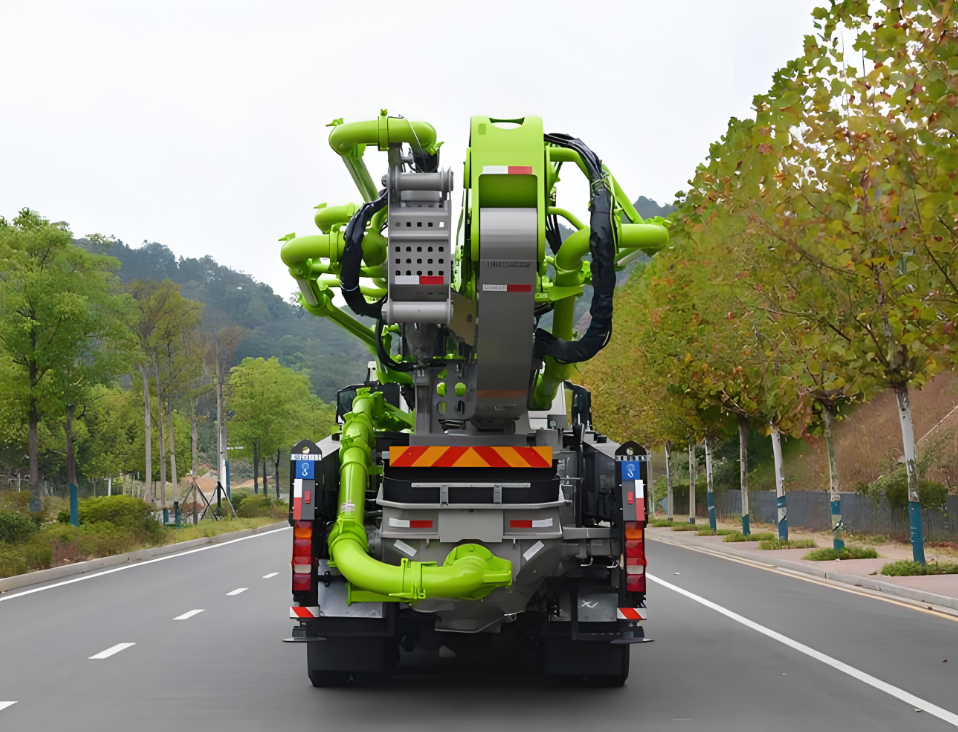
Concrete pump trucks have revolutionized the construction industry by providing efficient, precise, and high-quality concrete placement solutions. These specialized vehicles combine mobility with powerful pumping capabilities, enabling contractors to deliver concrete to previously inaccessible locations while maintaining consistent quality standards. Modern concrete pump trucks offer superior control over concrete flow rates, placement accuracy, and reduced material waste compared to traditional pouring methods.
The implementation of concrete pump trucks in construction projects significantly enhances the overall quality of concrete pouring operations. These machines eliminate many variables that can compromise concrete integrity, such as segregation during transport, inconsistent placement rates, and human error in manual pouring processes. By maintaining continuous flow and reducing handling time, concrete pump trucks help preserve the concrete's designed properties throughout the placement process.
Enhanced Precision and Control in Concrete Placement
Accurate Flow Rate Management
Concrete pump trucks provide exceptional control over concrete flow rates, allowing operators to adjust delivery speed based on specific project requirements. This precision prevents issues such as over-pouring in confined spaces or insufficient coverage in large areas. The hydraulic systems in modern concrete pump trucks can be fine-tuned to deliver exact volumes per minute, ensuring consistent density and preventing air pocket formation that could weaken the final structure.
Advanced control systems integrated into concrete pump trucks enable real-time monitoring of pressure, flow rate, and pump performance. These systems alert operators to potential issues before they affect concrete quality, such as blockages or pressure variations that could lead to segregation. The ability to maintain steady, controlled flow rates throughout the pouring process is crucial for achieving uniform concrete strength and durability.
Reduced Material Contamination
Traditional concrete pouring methods often expose materials to environmental contaminants such as dirt, debris, and moisture during transport and placement. Concrete pump trucks minimize this exposure by maintaining a closed system from the mixer to the final placement location. This protection ensures that concrete maintains its designed chemical composition and prevents foreign materials from compromising the mix integrity.
The sealed delivery system of concrete pump trucks also prevents moisture loss during transport, which is particularly important in hot or windy conditions. Maintaining proper moisture content is essential for concrete hydration and achieving specified strength characteristics. By reducing exposure to environmental factors, these machines help ensure consistent concrete quality regardless of weather conditions.
Improved Structural Integrity Through Consistent Placement
Elimination of Cold Joints
One of the most significant quality improvements achieved by concrete pump trucks is the reduction of cold joints in concrete structures. Cold joints occur when fresh concrete is placed against concrete that has already begun to set, creating weak points in the structure. The rapid, continuous placement capability of concrete pump trucks minimizes the time between successive pours, ensuring better bonding between concrete layers.
The extended reach of concrete pump trucks allows for continuous pouring across large areas without interruption, significantly reducing the likelihood of cold joint formation. This capability is particularly valuable in large-scale projects such as foundation slabs, where maintaining structural continuity is critical. The ability to place concrete quickly and efficiently helps maintain uniform curing conditions throughout the structure.
Optimal Concrete Consolidation
Proper consolidation is essential for removing air voids and achieving maximum concrete density. Concrete pump trucks facilitate better consolidation by delivering concrete at controlled rates that allow adequate time for vibration and settling. The consistent flow prevents rapid accumulation that could trap air or create segregation within the mix.
The precise placement capability of concrete pump trucks enables workers to focus on proper consolidation techniques rather than material handling. This improved workflow allows for better vibration practices, ensuring thorough air removal and optimal concrete density. The result is stronger, more durable concrete with fewer voids and improved surface finish quality.
Advanced Technology Integration for Quality Assurance
Real-Time Monitoring Systems
Modern concrete pump trucks incorporate sophisticated monitoring systems that track critical parameters throughout the pouring process. These systems monitor pump pressure, concrete temperature, flow rate, and delivery volume, providing operators with real-time data to ensure quality standards are maintained. Advanced sensors can detect potential issues such as blockages or pressure variations before they impact concrete placement quality.
Digital monitoring systems also enable documentation of concrete placement conditions, creating valuable quality assurance records for project managers and inspectors. This data can be used to verify compliance with specifications and identify areas for process improvement. The ability to track and record placement conditions helps ensure accountability and provides evidence of quality control measures.
Automated Control Features
Contemporary concrete pump trucks feature automated control systems that maintain consistent pumping parameters without constant operator adjustment. These systems automatically compensate for changes in concrete viscosity, ambient temperature, and pumping distance to maintain optimal flow characteristics. Automated controls reduce the potential for human error and ensure more consistent concrete quality throughout the project.
Smart control systems can also integrate with concrete mixing operations to coordinate delivery timing and maintain optimal concrete properties. This integration helps prevent issues such as over-mixing or extended wait times that could compromise concrete workability and final strength. The coordination between mixing and pumping operations ensures concrete is placed within its optimal working time window.
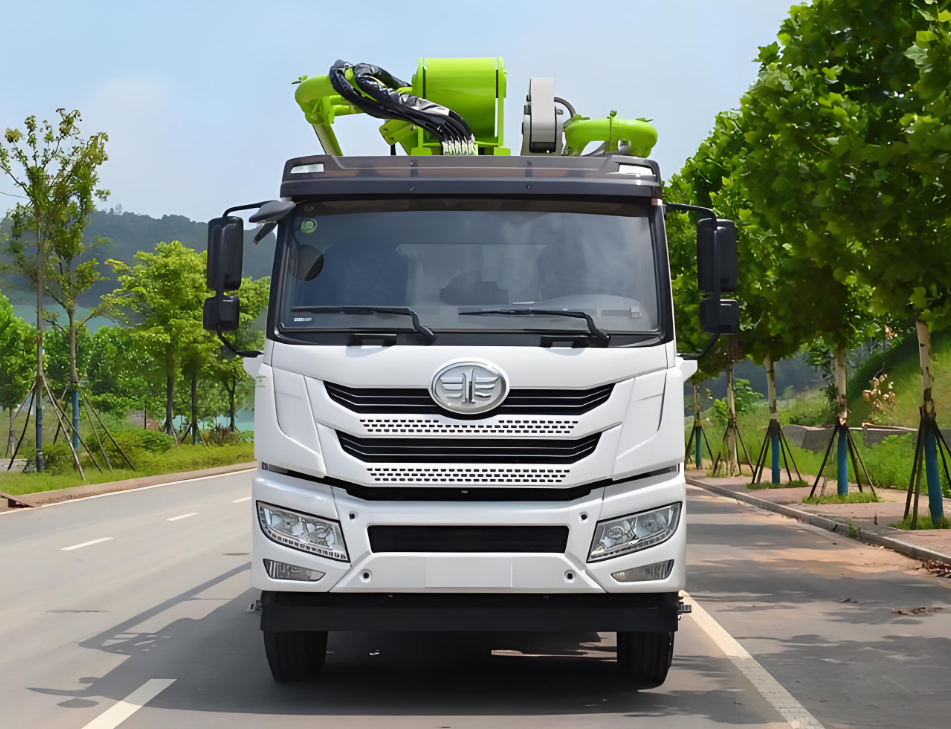
Cost-Effective Quality Enhancement
Reduced Labor Requirements
Concrete pump trucks significantly reduce the manual labor required for concrete placement, leading to fewer opportunities for human error that could compromise quality. Traditional concrete pouring methods often require multiple workers to transport and place concrete, each potentially introducing variables that affect final quality. The mechanized approach of concrete pump trucks standardizes the placement process and reduces quality variability.
The reduced labor requirements also allow project teams to focus skilled workers on critical quality control activities such as finishing, consolidation, and surface preparation. This redistribution of labor resources often results in improved overall project quality while maintaining cost efficiency. The consistent performance of concrete pump trucks enables predictable project scheduling and resource allocation.
Minimized Material Waste
Precise delivery capabilities of concrete pump trucks minimize material waste by accurately placing concrete only where needed. Traditional pouring methods often result in spillage, over-pouring, or material loss during transport, requiring additional concrete to complete the project. The controlled delivery system of concrete pump trucks reduces these losses and ensures efficient material utilization.
Reduced material waste not only improves project economics but also contributes to environmental sustainability. Less waste means fewer disposal requirements and reduced environmental impact from excess concrete production. The efficiency gains from concrete pump trucks support both economic and environmental project goals while maintaining high quality standards.
FAQ
How do concrete pump trucks prevent segregation during concrete placement
Concrete pump trucks prevent segregation by maintaining consistent flow rates and minimizing handling during transport. The closed pumping system prevents moisture loss and contamination while the controlled delivery rate ensures concrete components remain properly mixed throughout placement. The smooth, continuous flow eliminates the jarring and dropping motions that can cause heavier aggregates to separate from the cement matrix.
What maintenance practices ensure optimal performance of concrete pump trucks
Regular maintenance of concrete pump trucks includes daily cleaning of pumping lines, inspection of hydraulic systems, and calibration of control systems. Proper lubrication of moving parts, replacement of wear plates and cutting rings, and regular testing of pressure relief valves are essential for maintaining consistent performance. Scheduled maintenance prevents unexpected breakdowns that could compromise concrete quality during critical placement operations.
Can concrete pump trucks handle different types of concrete mixes effectively
Modern concrete pump trucks are designed to handle various concrete mixes including high-strength, lightweight, and specialty concretes. Adjustable pumping pressures and flow rates allow operators to optimize delivery parameters for different mix designs. However, mix design considerations such as aggregate size, slump, and admixture content must be compatible with pumping requirements to ensure successful placement and maintain quality standards.
What are the key factors that affect concrete quality when using pump trucks
Key factors affecting concrete quality include pumping pressure, line configuration, concrete temperature, and placement timing. Excessive pumping pressure can cause segregation while insufficient pressure may result in incomplete placement. Proper line configuration minimizes pressure losses and maintains consistent flow. Temperature control prevents premature setting or delayed hydration that could compromise strength development and final concrete quality.
Table of Contents
- Enhanced Precision and Control in Concrete Placement
- Improved Structural Integrity Through Consistent Placement
- Advanced Technology Integration for Quality Assurance
- Cost-Effective Quality Enhancement
-
FAQ
- How do concrete pump trucks prevent segregation during concrete placement
- What maintenance practices ensure optimal performance of concrete pump trucks
- Can concrete pump trucks handle different types of concrete mixes effectively
- What are the key factors that affect concrete quality when using pump trucks