 EN
EN

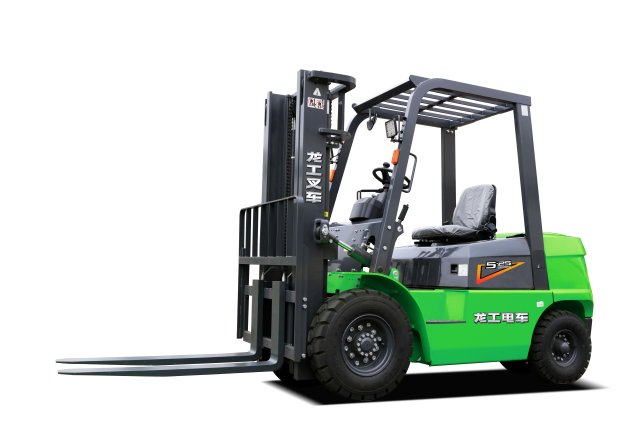
Modern logistics facilities face increasing pressure to optimize their indoor material handling operations while maintaining strict environmental and safety standards. Electric hand forklifts have emerged as the preferred solution for warehouse managers and logistics companies seeking efficient, clean, and cost-effective material handling equipment. These versatile machines combine the maneuverability of traditional hand trucks with the power and efficiency of electric motors, making them ideal for confined spaces and environmentally sensitive operations.
The shift toward electric hand forklifts represents a fundamental change in how logistics companies approach indoor material handling. Unlike their diesel or propane counterparts, these electric units produce zero emissions, operate quietly, and require minimal maintenance. This transformation has enabled logistics facilities to create safer working environments while simultaneously reducing operational costs and improving overall productivity metrics.
Environmental Advantages of Electric Hand Forklifts
Zero Emission Operations
Indoor air quality remains a critical concern for logistics companies operating large warehouse facilities. Electric hand forklifts eliminate harmful exhaust emissions that traditional fuel-powered equipment produces, creating healthier working conditions for employees. This emission-free operation prevents the buildup of carbon monoxide, nitrogen oxides, and other pollutants that can compromise air quality in enclosed spaces.
The absence of emissions also eliminates the need for expensive ventilation systems that many facilities require when operating internal combustion equipment indoors. Logistics companies can redirect these infrastructure savings toward other operational improvements while maintaining compliance with occupational health and safety regulations.
Sustainable Energy Consumption
Electric hand forklifts utilize clean electricity that can be sourced from renewable energy systems, allowing logistics companies to reduce their carbon footprint significantly. Many facilities have integrated solar panels or wind energy systems to power their electric forklift fleets, creating truly sustainable material handling operations.
The energy efficiency of electric motors far exceeds that of internal combustion engines, converting approximately 90% of electrical energy into mechanical work compared to roughly 30% efficiency for traditional engines. This superior efficiency translates directly into lower energy costs and reduced environmental impact across all operational activities.
Operational Efficiency and Performance Benefits
Enhanced Maneuverability in Confined Spaces
Modern warehouse layouts often feature narrow aisles and tight turning radii that challenge traditional material handling equipment. Electric hand forklifts excel in these environments due to their compact design and precise control systems. The electric motor provides instant torque and smooth acceleration, allowing operators to navigate congested areas with confidence and precision.
The low profile and reduced weight of electric hand forklifts enable them to access areas that larger equipment cannot reach, maximizing storage density and improving overall space utilization. This capability proves particularly valuable in multi-level facilities where weight restrictions and space constraints limit equipment options.
Consistent Power Delivery
Electric motors deliver consistent power output throughout their operating cycle, unlike internal combustion engines that experience performance degradation as fuel levels decrease. Electric hand forklifts maintain peak performance from the beginning to the end of each shift, ensuring reliable productivity levels and predictable operational outcomes.
Advanced battery management systems monitor power consumption and optimize energy distribution to maintain optimal performance while extending battery life. This intelligent power management reduces unexpected downtime and helps logistics companies maintain consistent throughput rates throughout their operations.
Cost-Effectiveness and Financial Advantages
Lower Operating Costs
The operational cost structure of electric hand forklifts provides significant advantages over traditional fuel-powered alternatives. Electricity costs substantially less than diesel or propane fuel, and electric motors require minimal maintenance compared to complex internal combustion engines. These factors combine to create lower total cost of ownership over the equipment lifecycle.
Electric hand forklifts eliminate the need for fuel storage infrastructure, reducing facility insurance costs and regulatory compliance requirements. The simplified maintenance requirements also reduce the need for specialized technicians and expensive replacement parts, further contributing to operational cost savings.
Extended Equipment Lifespan
Electric motors contain fewer moving parts than internal combustion engines, resulting in reduced wear and extended equipment lifespan. Many electric hand forklifts operate reliably for decades with proper maintenance, providing exceptional return on investment for logistics companies. The durability and reliability of electric drive systems minimize unexpected equipment failures and associated productivity losses.
Battery technology advancements have significantly improved the lifespan and performance of energy storage systems used in electric hand forklifts. Modern lithium-ion batteries can withstand thousands of charge cycles while maintaining capacity, ensuring consistent performance throughout their service life.
Safety and Ergonomic Considerations
Reduced Workplace Hazards
Electric hand forklifts operate significantly quieter than their fuel-powered counterparts, reducing noise-related safety concerns in busy warehouse environments. The quiet operation improves communication between workers and allows operators to hear important safety signals and warnings more clearly.
The absence of hot exhaust systems and fuel-related components eliminates fire hazards associated with traditional forklifts. Electric hand forklifts also eliminate the risk of fuel spills and toxic fume exposure, creating safer working conditions for all facility personnel.
Improved Operator Comfort
Electric drive systems provide smooth, vibration-free operation that reduces operator fatigue during extended work periods. The instant torque delivery and precise control characteristics of electric hand forklifts enable operators to work more efficiently while experiencing less physical strain.
Many electric hand forklifts feature ergonomic design elements that enhance operator comfort and productivity. Adjustable controls, cushioned platforms, and optimized sight lines contribute to reduced operator fatigue and improved safety performance throughout each work shift.
Technological Integration and Smart Features
Advanced Battery Management
Modern electric hand forklifts incorporate sophisticated battery management systems that optimize charging cycles and monitor system health in real-time. These intelligent systems prevent overcharging, manage temperature conditions, and provide operators with accurate remaining capacity information.
Smart charging systems can integrate with facility power management networks to optimize charging schedules based on electricity rates and operational demands. This integration enables logistics companies to minimize energy costs while ensuring equipment availability when needed.
Connectivity and Data Analytics
Electric hand forklifts increasingly feature connectivity options that enable fleet management systems to monitor performance metrics, track utilization patterns, and schedule preventive maintenance activities. This data-driven approach helps logistics companies optimize their equipment utilization and reduce operational costs.
Telematics systems provide real-time visibility into equipment location, battery status, and operational performance, enabling facility managers to make informed decisions about resource allocation and maintenance scheduling. These insights contribute to improved overall fleet efficiency and reduced total cost of ownership.
Market Trends and Future Developments
Growing Adoption Rates
Industry surveys indicate that electric hand forklifts represent the fastest-growing segment in the material handling equipment market. Logistics companies increasingly recognize the long-term benefits of electric equipment and are transitioning their fleets accordingly. This trend reflects growing environmental awareness and the compelling economic case for electric alternatives.
Major logistics companies have announced commitments to electrify their material handling fleets as part of broader sustainability initiatives. These corporate commitments are driving demand for electric hand forklifts and encouraging manufacturers to invest in advanced technologies and expanded production capacity.
Technology Advancement Trajectory
Ongoing developments in battery technology, motor efficiency, and control systems continue to improve the performance and capabilities of electric hand forklifts. Emerging technologies such as fuel cells and advanced lithium battery chemistries promise even greater performance and environmental benefits in future generations of equipment.
Autonomous and semi-autonomous features are beginning to appear in electric hand forklifts, offering the potential for further productivity improvements and safety enhancements. These technological advancements position electric hand forklifts at the forefront of warehouse automation trends.
FAQ
How long do electric hand forklift batteries typically last during operation
Modern electric hand forklifts equipped with lithium-ion batteries typically operate for 6-8 hours under normal working conditions before requiring recharging. Battery life depends on factors such as load weight, operating temperature, and usage intensity. Advanced battery management systems help optimize performance and extend operational time between charges.
What maintenance requirements do electric hand forklifts have compared to traditional forklifts
Electric hand forklifts require significantly less maintenance than internal combustion alternatives. Regular maintenance primarily involves battery care, periodic inspection of electrical connections, and basic mechanical components. There are no oil changes, filter replacements, or engine tune-ups required, resulting in reduced maintenance costs and downtime.
Can electric hand forklifts handle the same lifting capacities as fuel-powered models
Modern electric hand forklifts can match or exceed the lifting capacities of comparable fuel-powered units. Electric motors provide excellent torque characteristics that enable efficient handling of heavy loads. Many electric models offer lifting capacities ranging from 2,000 to 8,000 pounds, suitable for most warehouse and distribution center applications.
What charging infrastructure is needed for electric hand forklift operations
Electric hand forklifts require dedicated charging stations with appropriate electrical capacity and safety features. Most facilities can accommodate standard charging requirements using existing electrical infrastructure with minor modifications. Fast-charging systems and opportunity charging capabilities enable flexible charging schedules that minimize operational disruption while maintaining equipment availability.
Table of Contents
- Environmental Advantages of Electric Hand Forklifts
- Operational Efficiency and Performance Benefits
- Cost-Effectiveness and Financial Advantages
- Safety and Ergonomic Considerations
- Technological Integration and Smart Features
- Market Trends and Future Developments
-
FAQ
- How long do electric hand forklift batteries typically last during operation
- What maintenance requirements do electric hand forklifts have compared to traditional forklifts
- Can electric hand forklifts handle the same lifting capacities as fuel-powered models
- What charging infrastructure is needed for electric hand forklift operations