 EN
EN

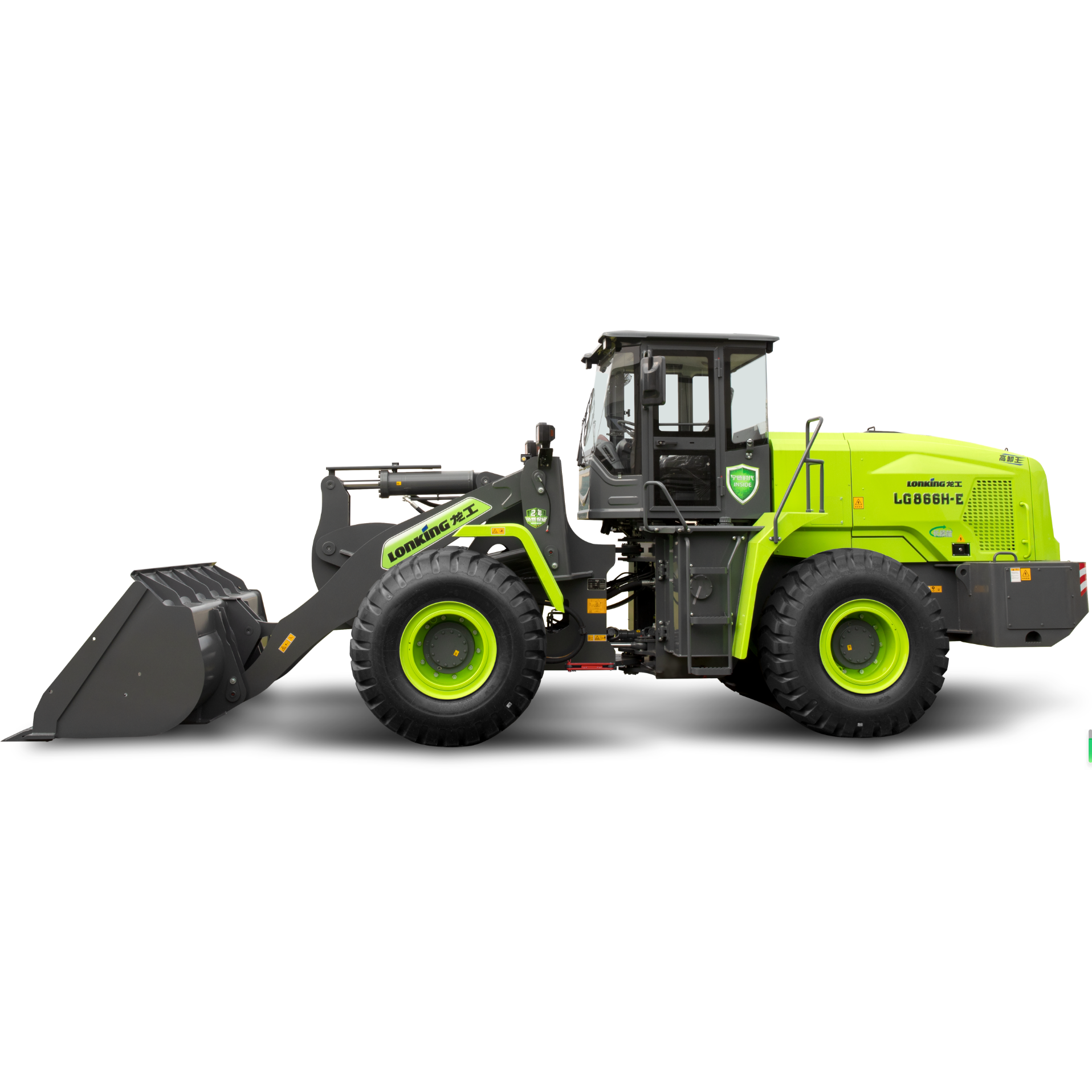
In today's industrial landscape, large loaders have become indispensable assets for companies handling substantial volumes of materials across warehouses, distribution centers, and manufacturing facilities. These powerful machines revolutionize bulk handling operations by providing the capacity and efficiency needed to move heavy loads with precision and speed. The integration of large loaders into material handling workflows significantly reduces operational costs while maximizing productivity, making them essential for businesses seeking competitive advantages in their respective markets.
The evolution of bulk handling has been closely tied to advancements in loader technology, with modern large loaders offering unprecedented levels of performance and reliability. These machines serve as the backbone of efficient material movement, enabling organizations to process larger volumes in shorter timeframes while maintaining strict safety standards. Understanding how large loaders contribute to operational efficiency requires examining their technical capabilities, operational advantages, and strategic implementation across various industrial applications.
Fundamental Principles of Large Loader Operations
Core Mechanical Advantages
Large loaders deliver exceptional mechanical advantages through their robust hydraulic systems and powerful engines designed to handle substantial weight capacities. These machines typically feature reinforced chassis construction that distributes load weight evenly, preventing structural stress while maintaining operational stability during heavy lifting operations. The hydraulic systems in large loaders generate tremendous lifting force through precisely engineered cylinder arrangements, allowing operators to manipulate loads that would require multiple smaller machines or extensive manual labor.
The transmission systems in large loaders incorporate advanced torque conversion technologies that optimize power delivery across varying load conditions. This ensures consistent performance whether handling lightweight pallets or maximum capacity loads, providing operators with reliable control throughout diverse operational scenarios. Modern large loaders also feature sophisticated load sensing capabilities that automatically adjust hydraulic pressure based on load weight, preventing system overload while maximizing fuel efficiency.
Operational Capacity Specifications
Contemporary large loaders typically offer lifting capacities ranging from 15,000 to 80,000 pounds, with specialized models capable of handling even greater loads for specific industrial applications. These capacity specifications directly translate to improved bulk handling efficiency, as operators can consolidate multiple smaller loads into single lifting operations. The reach capabilities of large loaders, often extending 15 to 25 feet vertically, enable efficient stacking and retrieval from high-density storage configurations.
Load center calculations become crucial when maximizing the efficiency of large loaders, as proper weight distribution ensures optimal stability and performance. Operators must understand how load positioning affects machine capacity, with forward load centers typically reducing maximum lifting capacity but providing better visibility and control. This technical knowledge enables more strategic load planning, ultimately contributing to overall operational efficiency improvements.
Impact on Material Handling Workflows
Throughput Enhancement Strategies
Large loaders dramatically increase material throughput by enabling operators to move substantially more product per operational cycle compared to smaller equipment alternatives. This enhanced throughput capability allows facilities to process incoming shipments faster, reduce dock congestion, and maintain more consistent inventory turnover rates. The time savings achieved through large loaders often translates to measurable cost reductions in labor expenses and facility overhead costs.
Strategic deployment of large loaders during peak operational periods maximizes their throughput benefits, particularly in facilities experiencing significant volume fluctuations throughout daily operations. These machines excel in consolidation activities, where multiple smaller loads are combined into efficient bulk movements, reducing the total number of handling operations required. Facilities implementing large loaders often report throughput improvements of 25 to 40 percent compared to operations relying solely on smaller equipment.
Workflow Integration Methodologies
Successful integration of large loaders requires careful analysis of existing workflow patterns and identification of bottleneck areas where these machines can provide maximum impact. Facilities must evaluate their current material flow processes, storage configurations, and operational timing to determine optimal deployment strategies for large loaders. This analysis often reveals opportunities to restructure workflows around the enhanced capabilities these machines provide.
The integration process typically involves modifying storage layouts to accommodate the operational requirements of large loaders, including wider aisles, reinforced flooring, and adjusted rack configurations. These infrastructure adaptations, while requiring initial investment, ultimately enable facilities to fully capitalize on the efficiency gains that large loaders offer. Proper integration also considers operator training requirements and safety protocol updates necessary for successful large loader deployment.
Economic Benefits and Cost Optimization
Direct Cost Reduction Factors
Large loaders provide significant direct cost reductions through decreased labor requirements, as single operators can accomplish tasks that previously required multiple workers or extended time periods. The enhanced productivity per operator hour translates to measurable savings in wages, benefits, and associated labor costs. Additionally, large loaders often demonstrate superior fuel efficiency per ton moved compared to multiple smaller machines performing equivalent work.
Maintenance cost advantages emerge from operating fewer machines to accomplish the same workload, reducing overall maintenance scheduling, parts inventory, and service technician requirements. Large loaders typically feature robust construction designed for heavy-duty applications, resulting in longer operational life cycles and reduced replacement frequency. These factors contribute to lower total cost of ownership calculations when properly maintained and operated within specified parameters.
Operational Efficiency Metrics
Measuring the efficiency impact of large loaders requires establishing clear metrics that capture both quantitative performance improvements and qualitative operational benefits. Key performance indicators include loads moved per hour, fuel consumption per ton handled, operator productivity ratios, and equipment utilization rates. These metrics provide objective data for evaluating return on investment and identifying areas for further optimization.
Facilities utilizing large loaders often implement sophisticated tracking systems to monitor equipment performance, operator efficiency, and overall productivity trends. This data enables continuous improvement initiatives and helps identify optimal deployment strategies for maximizing the efficiency benefits these machines provide. Regular analysis of operational metrics ensures that large loaders continue delivering expected performance improvements over their operational lifespan.
Safety Considerations in Bulk Handling Operations
Enhanced Safety Features
Modern large loaders incorporate advanced safety systems designed specifically for heavy-duty bulk handling applications, including stability monitoring systems, load moment indicators, and operator presence detection technologies. These safety features work together to prevent accidents while maintaining operational efficiency, ensuring that productivity gains do not compromise worker safety. The enhanced visibility systems common in large loaders, including panoramic cab designs and integrated camera systems, significantly improve operator awareness during complex maneuvering operations.
Automatic load balancing systems in large loaders help prevent tip-over incidents while handling heavy or awkwardly shaped loads, maintaining machine stability throughout lifting and transport operations. These systems continuously monitor load distribution and machine geometry, providing real-time feedback to operators and automatically adjusting hydraulic pressure to maintain safe operating conditions. Such safety enhancements enable more confident operation at higher productivity levels.
Operational Safety Protocols
Implementing large loaders requires establishing comprehensive safety protocols that address the unique risks associated with heavy-duty bulk handling operations. These protocols must cover pre-operational inspections, load assessment procedures, traffic management in shared work areas, and emergency response procedures specific to large loader operations. Proper protocol implementation ensures that efficiency gains from large loaders are sustained without compromising workplace safety standards.
Training programs for large loader operators must emphasize both technical proficiency and safety awareness, as the enhanced capabilities of these machines require correspondingly higher skill levels for safe operation. Regular certification updates and skill assessments help maintain high safety standards while ensuring operators can fully utilize the efficiency potential of large loaders. Comprehensive safety protocols also include maintenance procedures designed to keep safety systems functioning properly throughout the equipment lifecycle.
Technology Integration and Future Developments
Automation and Smart Systems
The integration of automation technologies in large loaders represents a significant advancement in bulk handling efficiency, with systems capable of executing repetitive tasks with minimal operator input. These automated functions include precise load positioning, optimized travel path calculation, and inventory management integration that streamlines overall warehouse operations. Smart systems in large loaders can communicate with warehouse management software to coordinate movements and optimize operational scheduling.
Advanced sensor technologies enable large loaders to operate with enhanced precision and safety, automatically adjusting operation parameters based on load characteristics, environmental conditions, and operational requirements. These intelligent systems contribute to efficiency improvements by reducing operator fatigue, minimizing human error, and enabling consistent performance across extended operational periods. The data collected by smart systems also provides valuable insights for continuous operational improvement.
Connectivity and Fleet Management
Modern large loaders feature comprehensive connectivity options that enable real-time monitoring of equipment performance, operator behavior, and maintenance requirements through integrated telematics systems. This connectivity allows fleet managers to optimize deployment strategies, schedule preventive maintenance, and track productivity metrics across multiple machines and operational sites. Remote diagnostic capabilities reduce downtime by enabling proactive maintenance scheduling and rapid troubleshooting.
Fleet management systems specifically designed for large loaders provide detailed analytics on fuel consumption, operational efficiency, and equipment utilization patterns. This information enables data-driven decisions regarding fleet composition, deployment strategies, and operational improvements. Integrated reporting systems help facilities demonstrate the efficiency benefits of large loaders through comprehensive performance documentation and trend analysis.
FAQ
What factors determine the optimal size of large loaders for specific bulk handling applications
The optimal size of large loaders depends on several critical factors including maximum load weights, operational space constraints, storage height requirements, and expected throughput volumes. Facilities should evaluate their typical load characteristics, peak capacity requirements, and infrastructure limitations when selecting appropriate large loader specifications. Additionally, consideration of future growth projections and operational flexibility needs helps ensure selected equipment remains suitable for evolving requirements.
How do large loaders compare to multiple smaller machines in terms of overall operational efficiency
Large loaders typically demonstrate superior operational efficiency compared to multiple smaller machines through reduced labor requirements, lower maintenance overhead, improved fuel efficiency per ton moved, and simplified fleet management. However, the optimal choice depends on specific operational requirements, load diversity, and facility layout constraints. Facilities with consistent heavy-load requirements generally benefit most from large loader implementation, while operations with highly variable load sizes might require mixed equipment strategies.
What maintenance considerations are unique to large loaders in bulk handling environments
Large loaders operating in bulk handling environments require specialized maintenance attention to hydraulic systems, structural components, and wear parts due to their heavy-duty operational demands. Regular inspection of hydraulic seals, structural joints, and load-bearing components becomes critical for maintaining safety and performance standards. Additionally, the increased complexity of large loaders requires technicians with specialized training and access to appropriate diagnostic equipment for effective maintenance programs.
How can facilities maximize return on investment when implementing large loaders
Maximizing return on investment for large loaders requires strategic deployment planning, comprehensive operator training, proactive maintenance programs, and continuous performance monitoring. Facilities should focus on optimizing utilization rates, implementing efficient workflow integration, and leveraging technology features that enhance productivity. Regular analysis of operational metrics helps identify improvement opportunities and ensures that large loaders continue delivering expected efficiency benefits throughout their operational lifecycle.
Table of Contents
- Fundamental Principles of Large Loader Operations
- Impact on Material Handling Workflows
- Economic Benefits and Cost Optimization
- Safety Considerations in Bulk Handling Operations
- Technology Integration and Future Developments
-
FAQ
- What factors determine the optimal size of large loaders for specific bulk handling applications
- How do large loaders compare to multiple smaller machines in terms of overall operational efficiency
- What maintenance considerations are unique to large loaders in bulk handling environments
- How can facilities maximize return on investment when implementing large loaders