 EN
EN

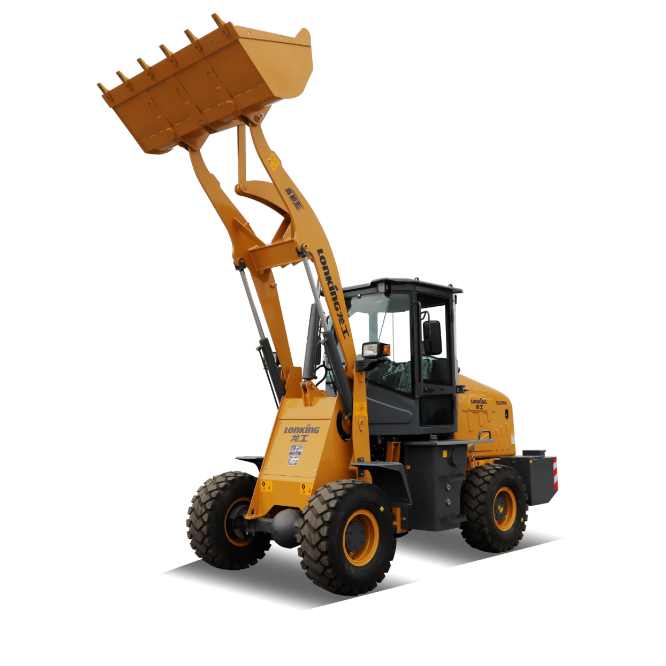
Loader vendors face immense pressure to deliver equipment that meets the demanding operational requirements of construction sites, warehouses, and industrial facilities worldwide. The question of how these manufacturers maintain consistent quality and performance standards throughout their production processes has become increasingly critical as customers expect reliable, durable, and efficient loading equipment. Understanding the comprehensive quality assurance methodologies employed by loader vendors provides valuable insight into the engineering excellence and manufacturing precision that drives the heavy equipment industry forward.
The methods that loader vendors implement to guarantee equipment reliability extend far beyond basic manufacturing protocols, encompassing sophisticated testing regimens, advanced material science applications, and comprehensive performance validation systems. These quality control measures represent the culmination of decades of engineering innovation and reflect the industry's commitment to delivering equipment that can withstand the rigorous demands of modern material handling operations. By examining the specific strategies and technologies that loader vendors employ, we can better appreciate the complexity and sophistication behind every piece of loading equipment that enters the marketplace.
Design and Engineering Quality Control Systems
Advanced Computer-Aided Design Validation
Loader vendors utilize sophisticated computer-aided design software and simulation technologies to validate equipment performance before physical prototypes are constructed. These digital modeling systems allow engineers to test structural integrity, hydraulic system efficiency, and component durability under various load conditions and operational scenarios. The simulation process enables loader vendors to identify potential design weaknesses and optimize component configurations to enhance overall equipment performance and longevity.
Modern CAD validation systems employed by loader vendors incorporate finite element analysis, computational fluid dynamics, and multi-body dynamics simulations to comprehensively evaluate equipment design parameters. These advanced modeling techniques allow manufacturers to predict component behavior under extreme operating conditions, optimize weight distribution for improved stability, and ensure that hydraulic systems deliver consistent performance across diverse applications. The integration of virtual testing protocols significantly reduces the need for costly physical prototyping while accelerating the development timeline for new loader models.
Materials Science and Component Selection
The selection of high-quality materials represents a fundamental aspect of how loader vendors ensure equipment durability and performance reliability. Manufacturers conduct extensive materials testing to identify steel grades, hydraulic components, and electronic systems that can withstand the harsh operating environments typical of construction and industrial applications. This materials validation process includes corrosion resistance testing, fatigue analysis, and stress testing to guarantee that each component meets or exceeds industry performance standards.
Loader vendors collaborate closely with specialized materials suppliers to develop custom alloys and component specifications that enhance equipment performance characteristics. These partnerships enable manufacturers to access cutting-edge materials technology, including high-strength steel formulations, advanced hydraulic fluid compositions, and corrosion-resistant coatings that extend equipment service life. The rigorous materials qualification process ensures that every component integrated into loader designs contributes to overall equipment reliability and operational efficiency.
Manufacturing Process Quality Assurance
Precision Manufacturing and Assembly Controls
Loader vendors implement comprehensive manufacturing quality control systems that monitor every stage of the production process, from raw material receipt to final equipment assembly. These systems include automated inspection technologies, statistical process control methods, and real-time manufacturing monitoring to ensure consistent product quality across all production units. The integration of advanced manufacturing technologies enables loader vendors to maintain tight tolerances and consistent assembly quality that directly impacts equipment performance and reliability.
Modern production facilities operated by loader vendors feature sophisticated quality control stations equipped with precision measurement tools, automated inspection systems, and comprehensive documentation protocols. These manufacturing quality assurance systems track component specifications, assembly procedures, and performance parameters throughout the production process, creating detailed quality records for each equipment unit. The implementation of lean manufacturing principles and continuous improvement methodologies enables loader vendors to optimize production efficiency while maintaining exceptional quality standards.
Supplier Quality Management Programs
Leading loader vendors establish rigorous supplier qualification and monitoring programs to ensure that all components and materials meet stringent quality requirements. These programs include supplier audits, incoming material inspection protocols, and ongoing performance monitoring to verify that third-party components consistently meet specifications. The comprehensive supplier quality management approach enables loader vendors to maintain control over component quality even when utilizing external suppliers for specialized parts and materials.
The supplier quality assurance programs implemented by loader vendors typically include detailed component specifications, regular performance reviews, and collaborative improvement initiatives that enhance overall supply chain quality. Manufacturers work closely with component suppliers to develop quality metrics, implement corrective action procedures, and establish long-term partnerships that support consistent quality delivery. This collaborative approach ensures that every component integrated into loader assemblies meets the manufacturer's exacting quality standards and contributes to overall equipment reliability.
Performance Testing and Validation Protocols
Comprehensive Factory Testing Procedures
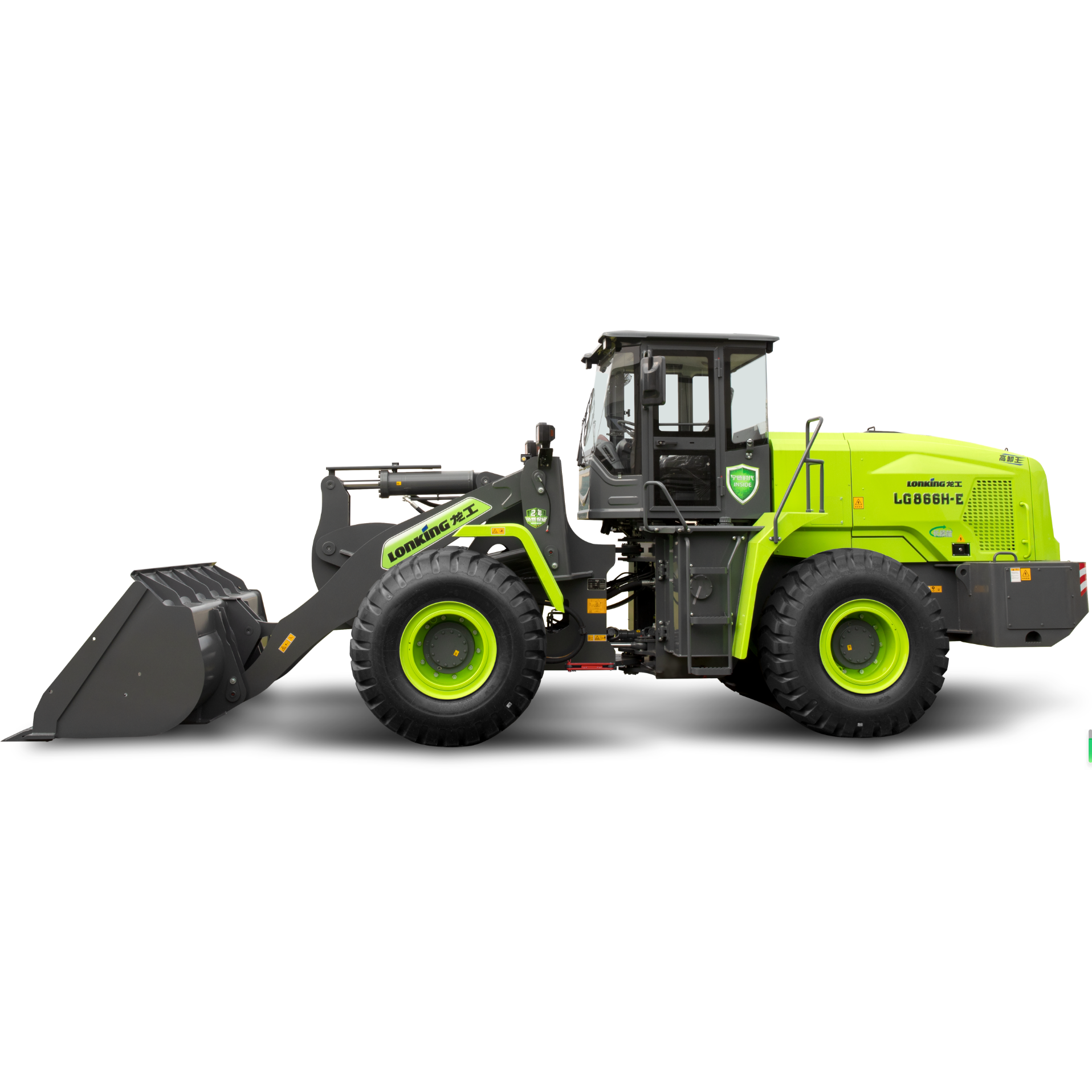
Loader vendors conduct extensive factory testing protocols that evaluate equipment performance across multiple operational parameters before units are released for customer delivery. These testing procedures include hydraulic system pressure testing, engine performance validation, structural load testing, and operational cycle testing to verify that equipment meets all specified performance criteria. The comprehensive factory testing approach ensures that loader vendors deliver equipment that performs reliably from the first day of operation.
Factory testing protocols implemented by loader vendors typically include both automated testing systems and manual inspection procedures that evaluate equipment functionality, safety systems, and performance characteristics. These testing regimens simulate real-world operating conditions and stress levels to identify potential performance issues before equipment reaches customer sites. The rigorous factory testing approach enables manufacturers to address quality concerns proactively and ensure that delivered equipment meets or exceeds customer performance expectations.
Field Testing and Validation Programs
Many loader vendors implement extensive field testing programs that evaluate equipment performance in actual operating environments before commercial release. These field validation programs involve partnerships with key customers who operate prototype or pre-production equipment under real-world conditions to identify performance characteristics and potential improvement opportunities. The field testing approach provides valuable feedback that enables loader vendors to optimize equipment design and performance for specific application requirements.
Field testing programs conducted by loader vendors typically include comprehensive performance monitoring, operator feedback collection, and detailed equipment analysis to validate design assumptions and performance projections. These real-world testing initiatives enable manufacturers to refine equipment specifications, optimize component configurations, and ensure that delivered equipment performs reliably across diverse operating conditions. The integration of field testing data into design improvement processes demonstrates the commitment of loader vendors to continuous quality enhancement and customer satisfaction.
Quality Certification and Standards Compliance
International Quality Standards Adherence
Loader vendors pursue certification to internationally recognized quality standards such as ISO 9001, which establishes comprehensive quality management system requirements for manufacturing organizations. These certification programs require manufacturers to implement systematic quality control procedures, document quality processes, and demonstrate continuous improvement in quality performance. The adherence to international quality standards provides customers with confidence that loader vendors maintain consistent quality practices and deliver reliable equipment.
The implementation of international quality standards by loader vendors involves comprehensive quality management systems that encompass design control, manufacturing processes, supplier management, and customer service activities. These standards require regular internal audits, management reviews, and corrective action procedures that ensure ongoing quality system effectiveness. The commitment to international quality certification demonstrates the dedication of loader vendors to maintaining world-class quality standards and delivering superior equipment performance.
Industry-Specific Safety and Performance Standards
Loader vendors must comply with numerous industry-specific safety and performance standards that govern equipment design, manufacturing, and operation. These standards include regulations established by organizations such as OSHA, ANSI, and various international safety agencies that specify requirements for operator protection, equipment stability, and operational safety. Compliance with these standards requires loader vendors to implement comprehensive testing and validation procedures that verify equipment safety and performance characteristics.
The compliance process for industry safety standards involves extensive documentation, testing, and certification procedures that validate equipment performance against specific regulatory requirements. Loader vendors must maintain detailed compliance records, conduct regular safety testing, and implement design modifications as needed to meet evolving regulatory standards. This ongoing compliance commitment ensures that delivered equipment meets all applicable safety requirements and provides operators with secure, reliable loading equipment.
Continuous Improvement and Innovation
Customer Feedback Integration Systems
Progressive loader vendors establish comprehensive customer feedback collection and analysis systems that capture equipment performance data, operator experiences, and service requirements from field operations. These feedback systems enable manufacturers to identify performance trends, common maintenance requirements, and opportunities for equipment enhancement based on real-world operating experience. The systematic collection and analysis of customer feedback provides valuable insights that drive continuous improvement initiatives and new product development programs.
Customer feedback integration systems implemented by loader vendors typically include structured data collection procedures, performance monitoring protocols, and collaborative improvement programs that involve key customers in product development processes. These systems enable manufacturers to respond quickly to performance concerns, implement design improvements, and develop enhanced equipment features that address evolving customer requirements. The commitment to customer feedback integration demonstrates the dedication of loader vendors to delivering equipment that meets and exceeds customer expectations.
Technology Integration and Innovation Programs
Leading loader vendors invest significantly in research and development programs that integrate advanced technologies into equipment design and manufacturing processes. These innovation initiatives include the development of advanced hydraulic systems, electronic control technologies, and automated operation features that enhance equipment performance and operator productivity. The continuous integration of new technologies enables loader vendors to deliver equipment that incorporates the latest engineering advancements and provides superior operational capabilities.
Technology innovation programs conducted by loader vendors typically involve partnerships with technology suppliers, research institutions, and industry organizations to access cutting-edge developments in relevant technical fields. These collaborative innovation efforts enable manufacturers to incorporate advanced technologies such as telematics systems, automated operation features, and enhanced operator interfaces that improve equipment performance and user experience. The commitment to technology integration ensures that loader vendors deliver equipment that incorporates the most advanced engineering solutions available.
FAQ
What specific testing procedures do loader vendors use to validate equipment durability?
Loader vendors implement comprehensive testing procedures including structural load testing, hydraulic system pressure testing, operational cycle testing, and environmental exposure testing. These procedures simulate years of operation under various conditions to validate equipment durability and identify potential failure points before commercial release.
How do loader vendors ensure consistent quality across different manufacturing facilities?
Loader vendors maintain consistent quality across multiple facilities through standardized manufacturing procedures, centralized quality management systems, regular facility audits, and comprehensive staff training programs. These systems ensure that all production locations adhere to identical quality standards and manufacturing protocols.
What role do supplier partnerships play in loader quality assurance?
Supplier partnerships are critical to loader quality assurance, as vendors implement rigorous supplier qualification programs, conduct regular quality audits, and maintain ongoing performance monitoring systems. These partnerships ensure that all components meet stringent quality requirements and contribute to overall equipment reliability.
How often do loader vendors update their quality control procedures?
Progressive loader vendors continuously evaluate and update their quality control procedures based on customer feedback, technological advancements, regulatory changes, and performance data analysis. Most manufacturers conduct formal quality system reviews annually while implementing incremental improvements throughout the year as needed.
Table of Contents
- Design and Engineering Quality Control Systems
- Manufacturing Process Quality Assurance
- Performance Testing and Validation Protocols
- Quality Certification and Standards Compliance
- Continuous Improvement and Innovation
-
FAQ
- What specific testing procedures do loader vendors use to validate equipment durability?
- How do loader vendors ensure consistent quality across different manufacturing facilities?
- What role do supplier partnerships play in loader quality assurance?
- How often do loader vendors update their quality control procedures?