 EN
EN

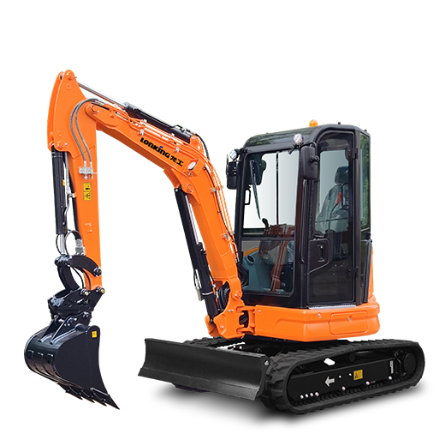
Excavator factories today face unprecedented demand for customized equipment solutions as construction projects become increasingly specialized and complex. The ability of these manufacturing facilities to adapt their standard production lines and engineering processes to deliver project-specific machinery has become a critical competitive advantage in the modern construction equipment industry.
Modern excavator factories employ sophisticated engineering teams and flexible manufacturing systems that enable them to modify everything from hydraulic specifications to attachment systems based on client requirements. This customization capability extends beyond simple aesthetic changes to encompass fundamental performance characteristics, operational parameters, and specialized functionality that can make the difference between project success and costly delays.
Understanding Project-Specific Requirements Assessment
Site Condition Analysis and Equipment Matching
Excavator factories begin the customization process by conducting comprehensive site condition assessments that inform equipment modifications. These facilities maintain specialized engineering teams who analyze soil composition, working space constraints, environmental regulations, and operational challenges unique to each project location. The assessment process involves detailed consultation with project managers, site engineers, and equipment operators to identify specific performance requirements that standard excavators cannot adequately address.
The site analysis extends to evaluating factors such as ground bearing capacity, access route limitations, noise restrictions, and emission requirements. Excavator factories use this information to determine necessary modifications to track systems, engine specifications, hydraulic pressure ratings, and overall machine dimensions. This thorough understanding of project conditions enables manufacturers to recommend and implement precise customizations that optimize equipment performance for specific operational environments.
Advanced excavator factories also consider long-term project phases when assessing requirements, recognizing that construction sites evolve throughout project lifecycles. This forward-thinking approach allows manufacturers to design equipment modifications that maintain effectiveness across different project stages, from initial earthmoving through final site preparation and cleanup operations.
Performance Specification Development
The development of customized performance specifications represents a critical phase where excavator factories translate project requirements into detailed engineering parameters. Manufacturing teams work closely with hydraulic engineers, powertrain specialists, and structural analysts to define precise modifications that will deliver required performance characteristics without compromising equipment reliability or safety standards.
These specifications encompass hydraulic flow rates, lifting capacities, digging forces, travel speeds, and fuel consumption targets tailored to specific project demands. Excavator factories utilize sophisticated modeling software and simulation tools to predict how proposed modifications will affect overall machine performance, ensuring that customizations enhance rather than compromise equipment capabilities.
The specification development process also includes detailed analysis of component compatibility, maintenance requirements, and serviceability considerations. Experienced excavator factories understand that customized equipment must remain practical to service and maintain throughout its operational lifecycle, influencing design decisions and component selection during the customization process.
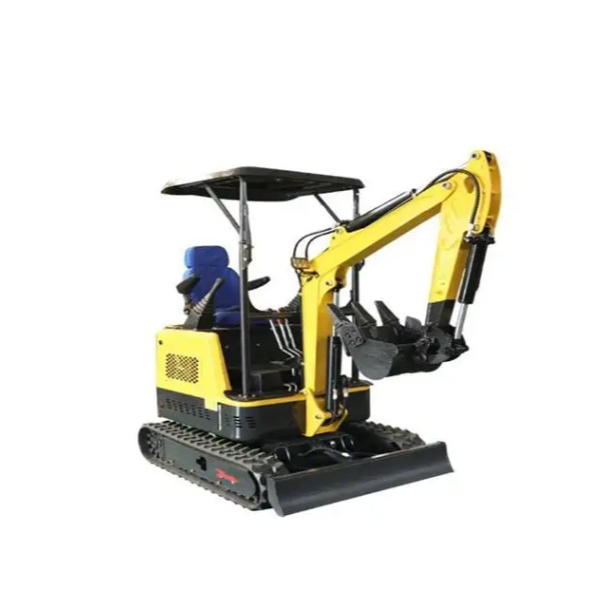
Manufacturing Flexibility and Production Adaptation
Modular Production Systems
Leading excavator factories have restructured their production lines around modular manufacturing principles that facilitate efficient customization without disrupting standard production schedules. These systems allow manufacturers to integrate custom components seamlessly into established assembly processes, maintaining quality control standards while accommodating unique specifications for individual machines or project fleets.
Modular production approaches enable excavator factories to maintain inventory flexibility, stocking various component options that can be assembled in different configurations based on project requirements. This strategy reduces customization lead times while providing manufacturers with the capability to respond quickly to urgent project demands or specification changes during the production process.
The implementation of modular systems requires sophisticated production planning and inventory management capabilities. Successful excavator factories invest heavily in enterprise resource planning systems and supply chain coordination tools that enable them to track component availability, schedule custom assembly sequences, and maintain visibility throughout the customization and production process.
Quality Control for Custom Equipment
Customized excavator production demands enhanced quality control procedures that verify performance characteristics unique to modified equipment configurations. Excavator factories implement specialized testing protocols that validate custom hydraulic systems, modified structural components, and integrated attachment systems to ensure they meet both standard safety requirements and project-specific performance targets.
These quality assurance processes include comprehensive performance testing under simulated working conditions, stress analysis of modified components, and verification of all customized control systems and software programming. Advanced excavator factories maintain dedicated testing facilities equipped with load simulation equipment, hydraulic test stands, and computerized diagnostic systems that can thoroughly evaluate custom equipment before delivery.
The documentation and traceability requirements for customized equipment also exceed those for standard production models. Excavator factories must maintain detailed records of all modifications, component specifications, testing results, and certification compliance to support warranty obligations and facilitate future service requirements throughout the equipment lifecycle.
Engineering Modifications and Technical Capabilities
Hydraulic System Customization
Hydraulic system modifications represent one of the most common and impactful customization areas for excavator factories, as these changes directly affect digging performance, lifting capacity, and operational efficiency. Manufacturing facilities employ specialized hydraulic engineers who can modify pump specifications, adjust flow control systems, and reconfigure cylinder arrangements to optimize performance for specific project applications such as precision grading, heavy lifting, or high-volume material handling.
The customization of hydraulic systems requires precise calculation of pressure requirements, flow distribution, and thermal management to ensure optimal performance under project-specific operating conditions. Excavator factories utilize advanced hydraulic modeling software and component testing facilities to validate modified systems before integration into production equipment, ensuring that custom configurations deliver required performance while maintaining system reliability.
These modifications can include specialized valve configurations for precise control applications, enhanced cooling systems for high-duty cycle operations, or modified pump arrangements to support unique attachment requirements. Experienced excavator factories maintain extensive component libraries and supplier relationships that enable them to source and integrate specialized hydraulic components efficiently within standard production timeframes.
Structural and Attachment Adaptations
Structural modifications and attachment system adaptations enable excavator factories to optimize equipment for specific project tasks and working conditions. These customizations can range from reinforced boom and arm structures for heavy-duty applications to modified counterweight configurations for improved stability in specialized working positions or confined spaces.
The engineering process for structural modifications involves detailed finite element analysis to ensure that changes maintain or enhance equipment safety margins while delivering required performance improvements. Excavator factories employ structural engineers and metallurgy specialists who analyze stress distributions, fatigue characteristics, and material requirements for custom structural components and reinforcements.
Attachment system modifications can include custom quick-coupler designs, specialized tool carriers, or integrated auxiliary systems that support project-specific attachments and accessories. These adaptations require coordination between mechanical, hydraulic, and electrical engineering teams to ensure seamless integration and optimal performance of specialized attachment systems.
Supply Chain Coordination and Component Sourcing
Specialized Component Procurement
The ability of excavator factories to deliver customized equipment depends heavily on their capacity to source specialized components and materials that may not be part of standard production inventories. Successful manufacturers maintain extensive supplier networks that include both primary component vendors and specialized fabrication facilities capable of producing custom parts and assemblies to precise specifications.
Component procurement for customized equipment requires sophisticated supply chain management capabilities that can accommodate varying lead times, quality requirements, and certification standards for specialized parts. Excavator factories must balance the cost and timeline implications of custom components against project requirements and delivery commitments, often requiring creative engineering solutions that utilize modified standard components where possible.
The procurement process also involves qualifying new suppliers and component sources for custom applications, ensuring that all materials and parts meet both manufacturer quality standards and project-specific requirements. This qualification process can significantly impact customization timelines, making supplier relationship management a critical capability for excavator factories focused on custom equipment production.
Logistics and Delivery Coordination
Customized excavator delivery requires enhanced logistics coordination to ensure that modified equipment arrives at project sites when needed and in proper configuration for immediate deployment. Excavator factories must coordinate with transportation providers who understand the unique requirements of custom equipment, including specialized loading procedures, dimensional considerations, and delivery site preparation requirements.
The logistics planning process includes detailed coordination with project management teams to align equipment delivery with construction schedules and site readiness. This coordination becomes particularly critical for projects in remote locations or challenging access conditions where delivery delays can significantly impact project timelines and costs.
Successful excavator factories also provide comprehensive documentation and support materials with customized equipment deliveries, including modified operation manuals, maintenance procedures, and troubleshooting guides specific to custom configurations. This documentation support ensures that project teams can effectively deploy and maintain customized equipment throughout the project lifecycle.
FAQ
How long does it typically take excavator factories to deliver customized equipment?
Customization timelines for excavator factories typically range from 4-12 weeks beyond standard production schedules, depending on the complexity and extent of modifications required. Simple modifications like hydraulic adjustments or attachment mounting changes can often be completed within 4-6 weeks, while extensive structural modifications or specialized component integration may require 8-12 weeks or longer for complex projects.
What types of project requirements most commonly drive excavator customization requests?
The most frequent customization drivers include specialized attachment requirements for unique project tasks, modified performance characteristics for extreme operating conditions, compliance with specific environmental or safety regulations, and dimensional modifications to accommodate site access constraints. Excavator factories also frequently customize equipment for specialized applications such as underwater operations, confined space work, or high-precision grading requirements.
Do customized excavators from factories maintain the same warranty coverage as standard models?
Reputable excavator factories typically provide full warranty coverage for properly engineered and manufactured customizations, though warranty terms may include specific provisions related to custom components and modifications. The warranty coverage usually extends to all factory-approved modifications and includes both parts and labor for custom systems, provided that equipment is operated within specified parameters and maintenance requirements are followed.
Can excavator factories retrofit existing equipment with custom modifications?
Many excavator factories offer retrofit services for existing equipment, though the feasibility and cost-effectiveness depend on the age, condition, and specific configuration of the equipment. Retrofit modifications are often more limited than new equipment customizations due to existing component constraints and compatibility considerations, but can still provide significant performance improvements for specific project applications.
Table of Contents
- Understanding Project-Specific Requirements Assessment
- Manufacturing Flexibility and Production Adaptation
- Engineering Modifications and Technical Capabilities
- Supply Chain Coordination and Component Sourcing
-
FAQ
- How long does it typically take excavator factories to deliver customized equipment?
- What types of project requirements most commonly drive excavator customization requests?
- Do customized excavators from factories maintain the same warranty coverage as standard models?
- Can excavator factories retrofit existing equipment with custom modifications?